
Why Electric Cars Are Becoming Cheaper in 2026: What You Need to Know
Electric vehicles (EVs) are one of the fastest‑growing segments in the global automotive industry, and why electric cars are becoming cheaper in 2026 is among the top questions on buyers’ minds. This year marks a turning point: EVs are no longer just high‑end tech experiments — they are becoming truly affordable alternatives to gasoline and diesel cars for everyday people. In this article, you will discover the reasons behind this dramatic shift, grounded in industry data, economic trends, and real‑world market developments. Whether you’re a prospective buyer, an EV enthusiast, or a curious reader, this comprehensive guide explains the key drivers, impacts, and what’s next for electric vehicle affordability.
Batteries: The Cost Heart of EV Price Drops
The single most important reason why electric cars are becoming cheaper in 2026 is the dramatic reduction in EV battery prices.
Electric vehicle batteries account for a substantial portion of the overall cost of an EV. Over the past decade, battery pack prices have fallen significantly, and analysts expect this decline to continue. According to Goldman Sachs research, global average battery prices could fall to around $80 per kilowatt‑hour by 2026 — nearly a 50 % drop compared with prices in the early 2020s.
This decline is driven by:
Technological innovation — New battery designs, higher energy density cells, and simplified manufacturing processes make batteries cheaper and more efficient.
Lower raw material costs — Prices of lithium, cobalt, and other battery metals have eased, which directly reduces battery production expenses.
Economies of scale — As production capacity expands, fixed costs are spread across millions of units, lowering the price per battery.
As battery costs continue to decline, manufacturers can price their EVs more competitively, passing savings on to consumers and helping EVs approach cost parity with traditional internal‑combustion vehicles.
Production Scale and Global Manufacturing Efficiency
Another key factor explaining why electric cars are becoming cheaper in 2026 is the massive increase in EV production volume.Global EV output has surged rapidly, particularly in China, where huge manufacturing capacity and efficient supply chains have positioned the country as a leader in electric vehicle production. According to industry reports, China accounts for more than 70 % of global EV production.These trends matter because:
More vehicles produced = lower manufacturing cost per unit
Manufacturers can negotiate better deals with suppliers
Costs for logistics and assembly fall as scale increases
As major automakers expand investment in EV plants and streamline their operations, the cost advantage from scale has become a powerful force making EVs more affordable worldwide.
Fierce Market Competition Forces Prices Down
Intense competition among electric vehicle makers is another major answer to why electric cars are becoming cheaper in 2026.
The EV marketplace is crowded. Legacy automakers such as Nissan, Hyundai, Kia, and Volkswagen compete with newer players like Tesla, BYD, and other Chinese brands. To stay relevant and attract buyers, companies are lowering prices, offering models with compelling features at aggressive price points.
For example:
Chinese EV brands have introduced many models with price tags well below $30,000, which undercuts many traditional gasoline cars in the same categories.
Nissan’s 2026 Leaf — one of the most affordable EVs on the market — starts at under $30,000, a rare value compared with average EV price points.
This competition not only pushes automakers to design efficient vehicles but also motivates them to reduce prices so they can win market share.
Government Policies and Incentives
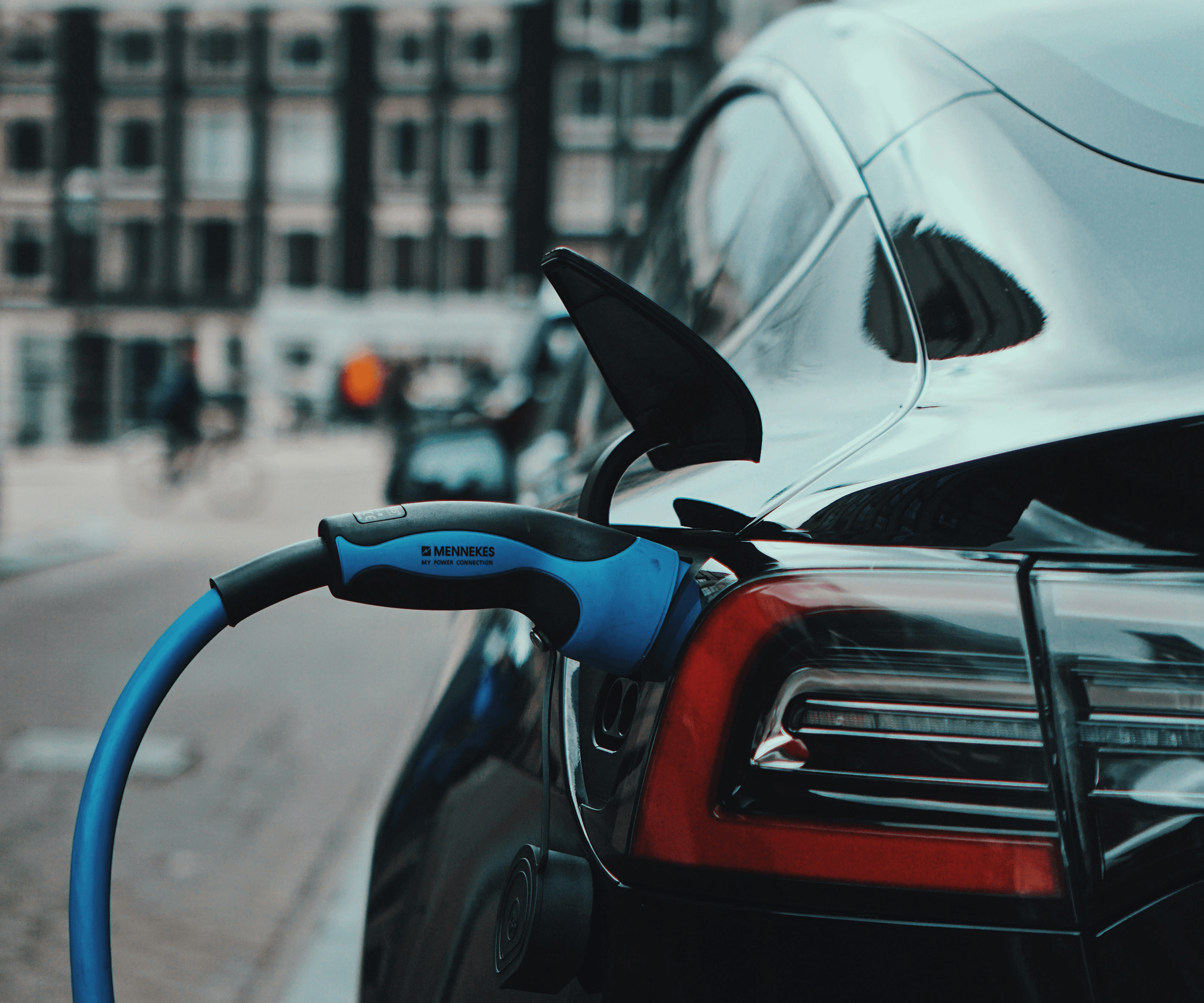
Public policy around the world continues to play a significant role in lowering EV costs and stimulating adoption.
Many countries have introduced or expanded incentives like tax credits, subsidies, reduced import duties, and investments in charging infrastructure — all of which help reduce the upfront price consumers pay for electric vehicles.
For instance, Germany announced plans for EV subsidies of up to $7,000 to boost sales — a move expected to increase EV registrations by about 17 % in 2026.Even where subsidies have ended, the earlier support helped accelerate adoption, boosting production and pushing prices down through stronger market demand.
Rising Used EV Inventory and Market Dynamics
Part of understanding why electric cars are becoming cheaper in 2026 involves the used EV market.
A wave of previously leased electric vehicles — especially those from 2022‑2023 lease deals — is reaching the used market in 2026. This influx increases supply, particularly of models with relatively low mileage and good condition, which in turn pushes resale prices downward.
This trend benefits budget‑oriented buyers, making EV ownership available at even lower price points than new models.
Emerging Battery Technologies and Future Prospects
Looking beyond current trends, new battery innovations also help explain why electric cars are becoming cheaper in 2026 and why prices may continue falling.Emerging technologies like solid‑state batteries promise even higher energy density and lower costs — though mass production is still in early stages, breakthroughs could transform battery economics.Even existing improvements — such as wider adoption of lithium iron phosphate (LFP) batteries — help lower costs while reducing dependence on more expensive metals.
Consumer Impact: What Lower Prices Mean for You
More Affordable EV Ownership
As prices decline, EVs become a realistic option for more consumers. Lower sticker prices and the growing availability of used EVs make it easier for families, commuters, and budget‑conscious buyers to consider electric vehicles as practical alternatives.
Closer Price Parity With Gas Cars
Falling battery costs and competitive pricing are helping electric cars approach — or in some segments match — the purchase cost of comparable gasoline vehicles. This parity is significant because affordability has long been a barrier to widespread EV adoption.
Reduced Long‑Term Costs
EVs also offer advantages beyond the purchase price. Lower fuel costs, reduced maintenance needs, and fewer moving parts make electric vehicles cheaper to operate over time. Even if upfront prices remain slightly higher than some gasoline cars, the total cost of ownership often favors EVs.
FAQs: Your Top Questions Answered
Q: Are electric cars really becoming cheaper in 2026?
A: Yes. A combination of falling battery costs, increased production, competitive pricing, and policy incentives is driving EV price reductions globally.
Q: Will EV prices eventually be lower than gasoline cars?
A: Many market analysts believe battery cost parity with gasoline vehicles could be reached by 2026, making EVs cost‑competitive with internal‑combustion cars on an ownership basis.
Q: Should I wait to buy an electric car?
A: If price is a main concern and you’re not in urgent need, waiting can help you access even more affordable models and used‑EV options as 2026 progresses.
Conclusion: A New Era of EV Affordability
The question why electric cars are becoming cheaper in 2026 reflects one of the most exciting transformations in automotive history. Declining battery prices, higher manufacturing capacity, fierce competition, supportive policies, and expanding used markets are all converging to make electric vehicles more accessible than ever.
This year is a milestone for EV adoption, with affordability finally catching up to sustainability and performance. Whether you’re planning to buy a vehicle soon or simply following industry trends, 2026 is shaping up to be a breakthrough year for electric mobility.
Want to stay ahead in tech? Discover our latest technology articles and expert insights.