
Mark Carney: From Central Banker to Canadian Prime Minister and Global Economic Leader
Mark Carney is a name that resonates across global finance, economic policy, and national leadership. Known for his remarkable journey from the boardrooms of central banks to the highest level of political leadership in Canada, Mark Carney blends economic expertise with bold leadership. His career spans crisis management, climate finance reform, and now national governance—making his story one of the most compelling in modern economics and public policy.
Early Life and Education: Roots of a Global Thinker
Mark Carney was born on March 16, 1965, in Fort Smith, Northwest Territories, Canada, and grew up in Edmonton, Alberta, where he first developed a passion for economics and leadership. He completed his undergraduate degree in economics at Harvard University, then earned both a Master’s and a Doctorate in Economics from the University of Oxford. These academic achievements laid the foundation for a lifetime of global influence.
Carney’s academic journey was not only about learning theory. It exposed him to diverse economic schools of thought and connected him with future leaders in finance, policy, and global governance.
Professional Beginnings: The Goldman Sachs Chapter
After graduating from Oxford, Mark Carney began his professional career with Goldman Sachs. Over thirteen years, he worked in major financial cities including London, Tokyo, New York, and Toronto. This experience sharpened his analytical skills, expanded his global network, and deepened his understanding of financial markets.
At Goldman Sachs, Carney advised emerging economies on accessing international bond markets and helped navigate financial challenges in nations like Russia and South Africa. These early experiences shaped his perspective on global finance and economic resilience.
Defining a Central Banking Legacy: Bank of Canada
In 2003, Mark Carney transitioned from private finance to public service as Deputy Governor of the Bank of Canada. He soon became Governor in 2008, amid one of the worst financial crises in history. His leadership during this period was decisive and forward-looking.
Carney cut interest rates early and implemented policies that helped Canada weather the 2008 global financial crisis better than most G7 countries. By stabilizing credit markets and bolstering business confidence, he helped Canada return to pre-recession economic output faster than many of its peers.
His success at the Bank of Canada marked him as one of the world’s most influential central bankers and positioned him for his next historic role.
Historic Governor: Bank of England
In 2013, Mark Carney became the first non-British Governor of the Bank of England. This appointment was unprecedented in the bank’s 319-year history and proved to be a turning point for UK economic policy.
At the Bank of England, Carney introduced “forward guidance”—a strategy that communicated future monetary policy intentions to the market, helping reduce uncertainty. He steered the UK economy through recovery from the global recession and navigated new challenges such as Brexit, maintaining financial stability even as the political landscape shifted dramatically.
Carney’s tenure in the UK expanded his global profile and solidified his reputation as an economist capable of guiding economies through turbulent times.
Champion of Climate Finance
After his term at the Bank of England ended in 2020, Mark Carney turned his focus to climate change and sustainable finance. He was appointed UN Special Envoy for Climate Action and Finance, where he worked to align global financial systems with climate goals.
Carney played a central role in launching the Glasgow Financial Alliance for Net Zero (GFANZ), a coalition aimed at mobilizing private capital to support net-zero carbon economies by 2050. His efforts brought together major banks, insurers, and investors committed to sustainable investment practices.
By advocating for meaningful climate action through economic incentives, Carney helped reshape how global financial institutions think about environmental risk and long-term investment.
Political Career and Leadership in Canada
Mark Carney made a surprising but impactful shift from economics to politics. In 2024, he was appointed chair of the Liberal Party’s Task Force on Economic Growth, and in March 2025. He became Prime Minister of Canada after winning the Liberal leadership race.
As Prime Minister, Carney faces pressing challenges including trade tensions with the United States, economic diversification, and national competitiveness. He continues to emphasize evidence-based policymaking and inclusive economic strategies.
Carney’s leadership style blends analytical precision with a collaborative approach. His transition from central banking to political leadership showcases his adaptability and deep commitment to serving the public good.
Carney on the Global Stage: Diplomacy and Economic Vision
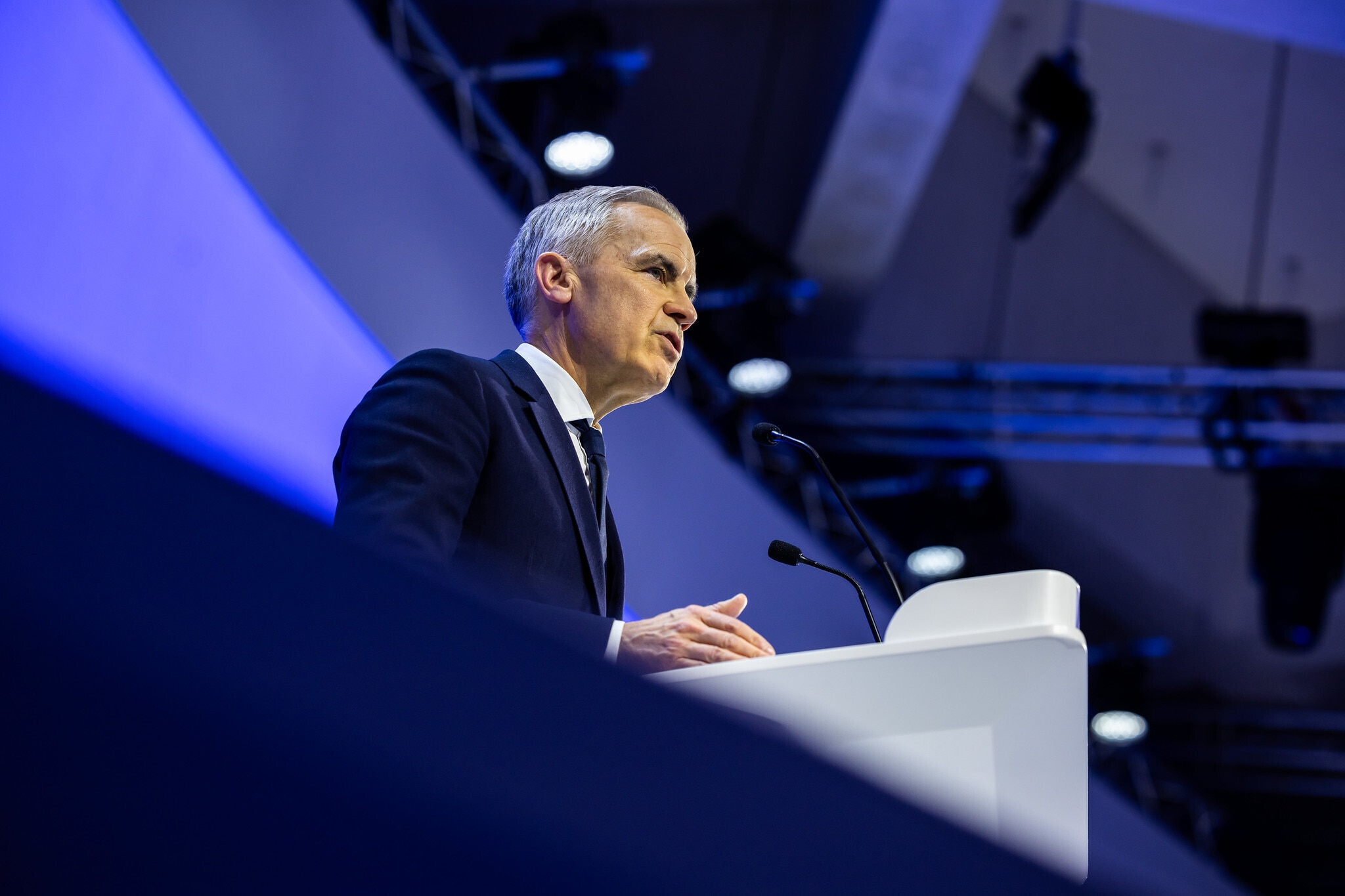
Mark Carney’s influence extends far beyond Canada’s borders. In recent international forums, such as the World Economic Forum in Davos. Carney has spoken about the shifting global order and the importance of multilateral cooperation to address economic instability and geopolitical tension. Many world leaders listen closely when Carney speaks because he combines economic insight with strategic vision.
In these forums, he emphasizes that global challenges—such as climate change, trade imbalances, and geopolitical disruptions—require innovative cooperation and strong alliances. His voice, shaped by decades of experience, often stands out as pragmatic and rooted in global security and economic prosperity.
Controversies and Criticisms: A Balanced View
No major public figure is without critics. Some detractors argue that Carney’s background in finance and his roles in global institutions create a tension between economic elites and everyday citizens. Others have pointed to decisions in private sector roles prior to political leadership as controversial.
However, these critiques have not diminished Carney’s broad influence or the respect he commands across political and economic circles. His willingness to engage with complex challenges and data-driven solutions continues to define his career.
Legacy and Future Prospects

At every stage of his career, Mark Carney has redefined leadership in economics and public policy. He has guided central banks through major crises. Mark Carney has advanced climate finance at a global level. He has also served as Canada’s prime minister. His journey stands out as both remarkable and instructive.
Carney’s legacy will reflect his ability to connect high finance with public purpose. He has promoted sustainable economic priorities. He has shown that expert-driven leadership can create lasting change.
Conclusion: Why Mark Carney Matters Today
Today, Mark Carney stands at the center of economics, climate policy, and national leadership. He brings deep experience and a clear vision. His influence on global discussions continues to grow. Many experts see him as one of the most important leaders of the 21st century. He has guided economies through crises. Mark Carney has pushed strongly for sustainable finance. He now leads on the global stage with confidence. His work continues to shape both economic and political systems.
Anyone who wants to understand modern economic leadership should study Mark Carney’s journey. His career offers clear lessons in climate finance and global policy strategy.
Interested in more political coverage? Explore our latest political articles and insights.