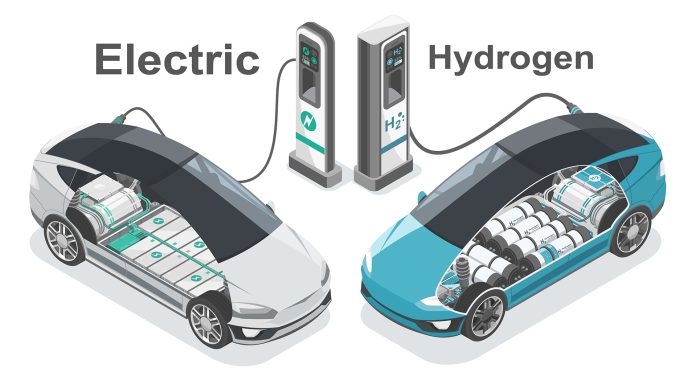
In the quest for sustainable transportation, the debate between electric vehicles vs. hydrogen cars has intensified. Both technologies aim to reduce carbon emissions and dependence on fossil fuels, but they differ significantly in their approaches and current adoption rates. This article delves into the intricacies of electric vehicles vs. hydrogen cars, comparing their technologies, efficiencies, environmental impacts, infrastructures, and market trends to provide a comprehensive understanding of their roles in the future of transportation.
Electric Vehicles (EVs)
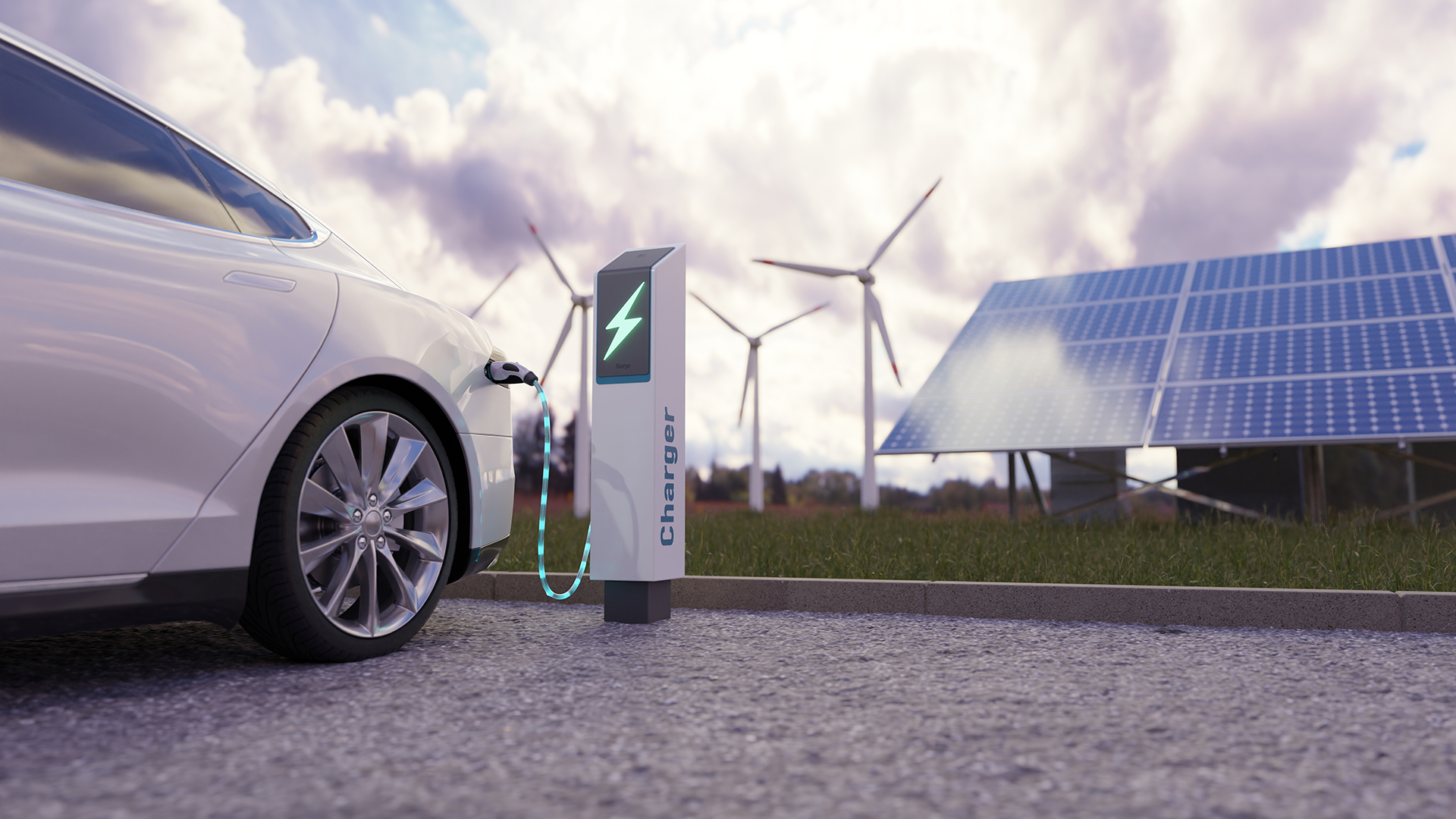
EVs operate by storing electrical energy in batteries, which power electric motors to drive the vehicle. Drivers charge these batteries by plugging into the electrical grid, making the process straightforward and increasingly convenient with the expansion of charging infrastructure. The simplicity of the electric drivetrain results in fewer moving parts, reducing maintenance needs and enhancing vehicle longevity.
Modern EVs boast impressive acceleration and quiet operation, thanks to their electric motors’ instant torque delivery. With advancements in battery technology, current EVs offer ranges exceeding 300 miles on a single charge, addressing early concerns about limited driving distance. Furthermore, regenerative braking systems improve efficiency by converting kinetic energy back into stored electricity during deceleration.
Cost efficiency is another key advantage. Charging an EV is often cheaper than refueling a gasoline or hydrogen vehicle, especially when using home charging stations with off-peak electricity rates. Many countries offer incentives and subsidies for EV buyers, further enhancing affordability and adoption.
Hydrogen Fuel Cell Vehicles (FCVs)
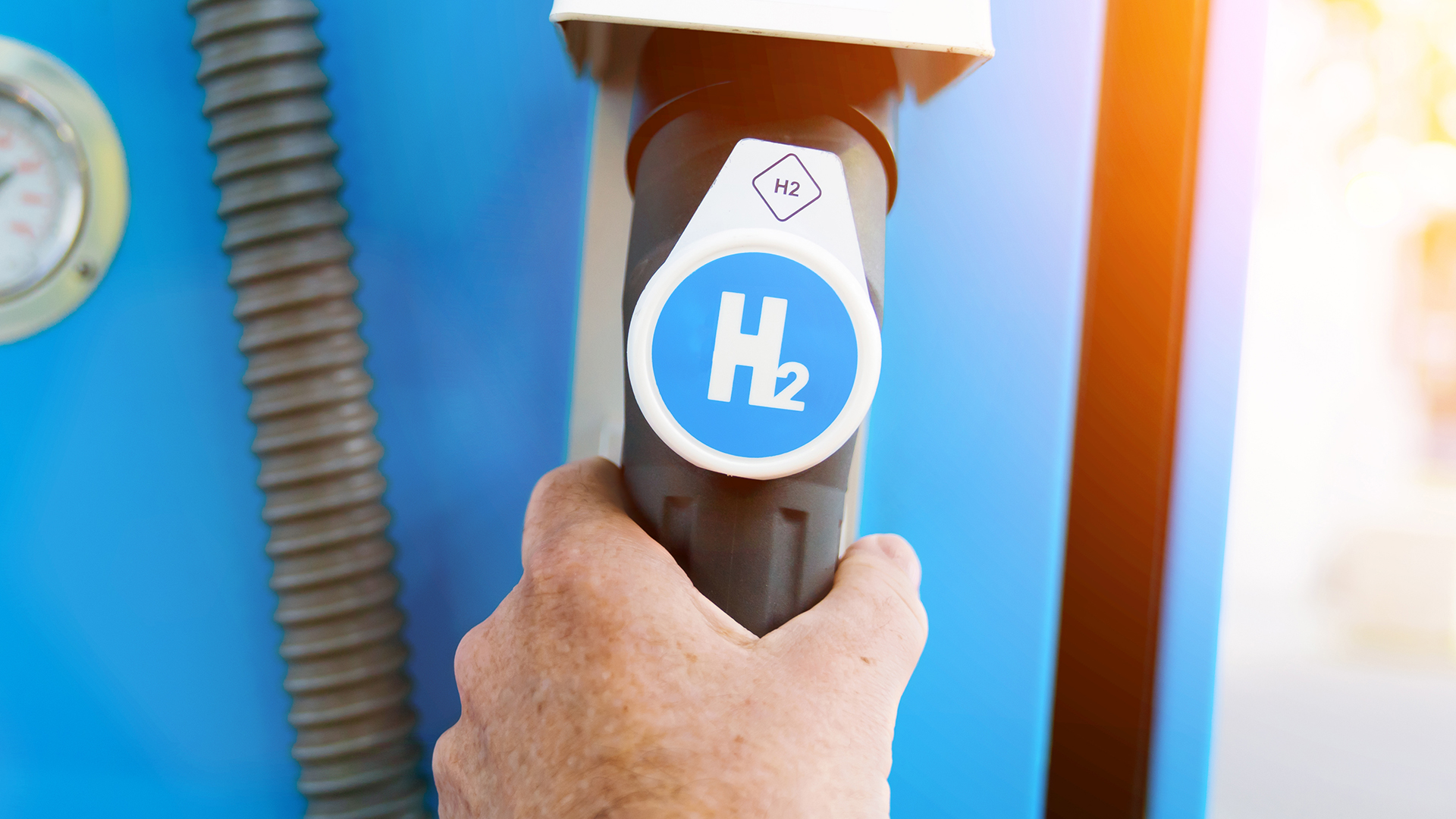
Hydrogen cars, or fuel cell vehicles (FCVs), utilize hydrogen gas to generate electricity through fuel cells. In this process, hydrogen reacts with oxygen, producing electricity, water, and heat. The electricity then powers the vehicle’s motor. This technology emits only water vapor, positioning it as an environmentally friendly alternative to traditional internal combustion engines. However, the complexity of producing, storing, and distributing hydrogen poses significant challenges.
FCVs stand out for their rapid refueling capabilities, typically taking under five minutes to fill a hydrogen tank — a crucial advantage for long-distance travel. They also maintain consistent performance in extreme weather conditions, where battery efficiency can diminish. With ranges often exceeding 400 miles per tank, hydrogen cars rival traditional gasoline vehicles in long-range usability.
Despite these strengths, hydrogen cars face hurdles in production and infrastructure. Producing hydrogen through electrolysis or natural gas reforming remains energy-intensive and costly. Storage requires high-pressure tanks or cryogenic methods, adding complexity and expense. Moreover, the limited number of hydrogen refueling stations worldwide constrains widespread adoption.
Energy Efficiency Comparison
EVs are notably more energy-efficient than hydrogen cars. The process of generating electricity, storing it in batteries, and using it to power the vehicle is approximately 80% efficient. In contrast, producing hydrogen (often through electrolysis), compressing or liquefying it for storage, transporting it, and converting it back to electricity in a fuel cell results in an overall efficiency of about 38%. This means FCVs consume more energy to travel the same distance as EVs.
Additionally, the well-to-wheel efficiency — measuring total energy use from production to vehicle operation — further underscores EVs’ superiority. Renewable energy integration with EV charging enhances sustainability, whereas hydrogen production often depends on fossil fuels, diminishing its green credentials.
Refueling Time and Driving Range
Hydrogen cars have an advantage in refueling time, taking just minutes to fill up, similar to conventional gasoline vehicles. They also offer competitive driving ranges, with models like the 2021 Toyota Mirai achieving up to 402 miles on a single tank. EVs, while improving, still require longer charging times, especially on standard home outlets. However, advancements in fast-charging technology and increasing battery capacities are narrowing this gap.
Ultra-fast chargers can replenish EV batteries up to 80% within 20-30 minutes, making long-distance travel increasingly viable. Wireless charging and battery swap stations represent emerging innovations that could further revolutionize EV convenience and efficiency.
Emissions and Carbon Footprint
Both EVs and hydrogen cars produce zero tailpipe emissions, contributing to improved air quality. However, the environmental benefits depend on how the electricity or hydrogen is produced. EVs charged from renewable energy sources like wind or solar power have a minimal carbon footprint. Conversely, if the electricity comes from fossil fuels, the benefits diminish. Similarly, most hydrogen production currently relies on natural gas, emitting CO₂ in the process. Green hydrogen, produced using renewable energy, remains limited due to high costs and technological challenges.
Lifecycle emissions analysis also favors EVs, given their higher energy efficiency. As renewable energy adoption grows globally, EVs’ environmental performance will continue to improve.
Resource Consumption and Sustainability
EV batteries require minerals like lithium, cobalt, and nickel, raising concerns about mining practices, environmental degradation, and supply chain ethics. Hydrogen production, storage, and distribution also demand significant energy and infrastructure investments, impacting their overall environmental footprint.
Innovations in battery recycling and solid-state battery development promise to mitigate environmental impacts, enhancing EV sustainability. Hydrogen production advancements, like solar-driven electrolysis and biohydrogen, aim to address current inefficiencies and resource dependencies.
Charging and Refueling Networks
EVs benefit from a rapidly expanding charging infrastructure, with public and private investments accelerating the deployment of charging stations globally. In contrast, hydrogen refueling stations are scarce and concentrated in specific regions, limiting the practicality of FCVs for many consumers. For example, in Australia, only five hydrogen vehicles were sold in a recent quarter compared to over 25,000 battery-electric vehicles, reflecting the disparity in infrastructure and consumer adoption.
Smart charging solutions and vehicle-to-grid (V2G) technologies enhance EV infrastructure efficiency, enabling bidirectional energy flow and grid stability support. Hydrogen refueling station expansion, though slower, receives targeted investments in key markets like Japan, Germany, and California.
Market Trends and Consumer Adoption
The automotive industry has largely embraced EVs, with numerous manufacturers offering a wide range of models across various price points. Companies like Toyota, initially proponents of hydrogen technology, are now accelerating their electric car development to meet regulatory demands and consumer preferences. However, some manufacturers, such as BMW, continue to invest in hydrogen technology, planning to introduce mass-produced hydrogen cars by 2028. This indicates a belief in hydrogen’s potential, particularly for specific applications like heavy-duty transport.
Fleet electrification and government mandates drive EV adoption, while hydrogen finds favor in commercial sectors like buses, trucks, and industrial equipment requiring longer ranges and fast refueling.
Challenges Facing Hydrogen Fuel Cell Vehicles
Critics argue that hydrogen cars face inherent inefficiencies and logistical challenges. The energy-intensive process of producing, storing, and transporting hydrogen reduces the overall efficiency of FCVs compared to EVs. Additionally, the lack of refueling infrastructure and the high costs associated with developing it hinder widespread adoption.
Public perception and technological readiness remain barriers, despite hydrogen’s potential for diverse applications in transportation and energy sectors.
Challenges Facing Electric Vehicles
While EVs have gained significant momentum, they are not without challenges. Concerns include battery degradation over time, limited range compared to some traditional vehicles, and the environmental impact of battery production and disposal. However, ongoing research and development aim to address these issues, with advancements in battery technology and recycling processes showing promise.
Charging network standardization and equitable access to infrastructure require ongoing efforts to ensure inclusive EV adoption worldwide.
Future Outlook
Both EVs and hydrogen cars are subjects of intense research and development. Advancements in battery technology, such as solid-state batteries, promise to enhance EV performance, reduce charging times, and extend driving ranges. For hydrogen cars, innovations in fuel cell efficiency and sustainable hydrogen production methods are crucial for their viability.
Conclusion
The debate between electric vehicles and hydrogen cars is far from settled. EVs currently lead in efficiency, infrastructure, and market adoption, making them the preferred choice for most consumers and manufacturers. Hydrogen cars, while facing significant challenges, offer potential advantages in refueling time and range, particularly for commercial and heavy-duty applications. As technology advances and infrastructure expands, both EVs and hydrogen cars will likely play essential roles in the transition to sustainable transportation.
Curious if TikTok will be banned in 2025? Find out more by clicking here!