Category: Technology

  • AI in Daily Life: Smarter Living Every Day

    AI in Daily Life: Smarter Living Every Day

    Artificial Intelligence (AI) is used in daily life through smartphones, voice assistants, navigation apps, AI in Daily Life ionline shopping recommendations, email filtering, and smart home devices to make everyday tasks faster, easier, and more efficient.

    Common Uses of AI in Daily Life

    Artificial Intelligence now touches almost every part of our daily lives. Below are some of the most common examples where AI in Daily Life makes a real difference:

    AI in daily life

    AI Everyday Uses You Probably Never Notice

    1. Smartphones and Voice Assistants

    Modern smartphones use AI to improve typing speed, understand voice commands, and unlock devices through facial recognition. Voice assistants like Siri, Google Assistant, and Alexa process spoken requests and deliver instant, accurate responses.

    2. Entertainment Recommendations

    Platforms such as YouTube, Netflix, and Spotify rely on AI to study user behavior and viewing habits. Based on past interactions, AI suggests videos, movies, and music that match individual preferences.

    3. Navigation and Travel Services

    AI-powered navigation apps analyze live traffic conditions to recommend the quickest routes and estimate arrival times. Ride-sharing platforms like Uber also use AI to efficiently match drivers with nearby passengers.

    4. Email Filtering and Online Security

    AI helps manage your inbox by filtering spam, organizing important emails, and detecting phishing attempts. This keeps digital communication secure and clutter-free.

    5. Banking and Fraud Prevention

    Financial institutions use AI to track transactions in real time, detect unusual activity, and prevent fraud. These systems strengthen security and build customer trust.

    6. Online Shopping and Advertising

    E-commerce platforms apply AI to analyze browsing behavior and purchase history, allowing them to recommend relevant products and display personalized advertisements.

    The Future of AI in Daily Life

    As AI continues to evolve, its role in daily life will become even more extensive. For example:

    • Smart Cities: AI will help manage traffic, energy use, waste systems, and public safety to improve urban living.

    • Education: Personalized learning powered by AI can adapt lessons to each student’s pace and style.

    • Environment: AI helps scientists predict climate patterns and reduce environmental risks.

    The future holds exciting potential, but society must also adopt comprehensive ethical guidelines, transparency, and responsible governance to ensure that AI benefits everyone equally.

    How AI Enhances Our Quality of Life

    1. Personalization and Everyday Convenience

    AI transforms digital experiences by adapting them to individual needs. Whether it’s curated news feeds, personalized fitness goals, or smart app suggestions, AI learns from your behavior to deliver content and services that feel tailor-made for you.

    2. Smarter Health Monitoring and Medical Innovation

    AI-powered wearables continuously track vital health data and can alert users to unusual patterns. In healthcare, advanced AI tools assist doctors by analyzing medical images and identifying potential illnesses at early stages, making healthcare faster, smarter, and more accessible.

    3. Boosting Productivity and Saving Time

    By automating repetitive and time-consuming tasks, AI allows people to focus on more meaningful work. From scheduling meetings and organizing data to summarizing documents, AI tools help individuals and businesses operate more efficiently.

    4. Improving Accessibility and Inclusion

    AI plays a powerful role in making technology more inclusive. Features like voice-to-text, image recognition, and AI-assisted navigation empower people with disabilities to interact with digital platforms more independently, opening doors to greater participation and opportunity.

    Challenges and Concerns of AI in Daily Life

    While AI brings significant advantages, responsible use is essential to address the challenges that come with its growing influence.

    1. Privacy and Data Protection

    AI systems rely on large volumes of personal data to function effectively. This raises concerns about data security, unauthorized access, and privacy risks, making strong data protection measures critical.

    2. Bias and Fairness in AI

    AI can unintentionally inherit biases from the data it is trained on. If not carefully monitored, this may lead to unfair outcomes in sensitive areas such as hiring, finance, or law enforcement.

    3. Changing the Nature of Jobs

    Automation powered by AI may replace certain repetitive roles, requiring workers to learn new skills and adapt. While AI creates new opportunities, it also reshapes how and where people work.

    4. Dependence on Technology

    Over-reliance on AI tools can reduce human involvement in decision-making and problem-solving. Maintaining a healthy balance between human judgment and AI assistance is key to long-term success.

    Conclusion: Why AI Matters to You

    Without a doubt, AI in Daily Life has reshaped how we live, learn, work, and play. It adds convenience, enhances personalization, and supports important decision‑making across industries. At the same time, it demands thoughtful regulation, ethical standards, and the right balance between automation and human control.

    As AI continues to advance, it will keep transforming the world. Whether you are using AI on your phone, in healthcare, or in your education, this technology is here to stay — and it will create new opportunities as well as challenges for everyone.

    Stay Ahead with the Latest Tech

  • Why Electric Cars Are Becoming Cheaper in 2026

    Why Electric Cars Are Becoming Cheaper in 2026

    Why Electric Cars Are Becoming Cheaper in 2026: What You Need to Know


    Electric vehicles (EVs) are one of the fastest‑growing segments in the global automotive industry, and why electric cars are becoming cheaper in 2026 is among the top questions on buyers’ minds. This year marks a turning point: EVs are no longer just high‑end tech experiments — they are becoming truly affordable alternatives to gasoline and diesel cars for everyday people. In this article, you will discover the reasons behind this dramatic shift, grounded in industry data, economic trends, and real‑world market developments. Whether you’re a prospective buyer, an EV enthusiast, or a curious reader, this comprehensive guide explains the key drivers, impacts, and what’s next for electric vehicle affordability.

    Toyota C-HR EV

    Batteries: The Cost Heart of EV Price Drops

    The single most important reason why electric cars are becoming cheaper in 2026 is the dramatic reduction in EV battery prices.

    Electric vehicle batteries account for a substantial portion of the overall cost of an EV. Over the past decade, battery pack prices have fallen significantly, and analysts expect this decline to continue. According to Goldman Sachs research, global average battery prices could fall to around $80 per kilowatt‑hour by 2026 — nearly a 50 % drop compared with prices in the early 2020s.

    This decline is driven by:

    • Technological innovation — New battery designs, higher energy density cells, and simplified manufacturing processes make batteries cheaper and more efficient.

    • Lower raw material costs — Prices of lithium, cobalt, and other battery metals have eased, which directly reduces battery production expenses.

    • Economies of scale — As production capacity expands, fixed costs are spread across millions of units, lowering the price per battery.

    As battery costs continue to decline, manufacturers can price their EVs more competitively, passing savings on to consumers and helping EVs approach cost parity with traditional internal‑combustion vehicles.

     Production Scale and Global Manufacturing Efficiency

    Another key factor explaining why electric cars are becoming cheaper in 2026 is the massive increase in EV production volume.Global EV output has surged rapidly, particularly in China, where huge manufacturing capacity and efficient supply chains have positioned the country as a leader in electric vehicle production. According to industry reports, China accounts for more than 70 % of global EV production.These trends matter because:

    More vehicles produced = lower manufacturing cost per unit
    Manufacturers can negotiate better deals with suppliers
    Costs for logistics and assembly fall as scale increases

    As major automakers expand investment in EV plants and streamline their operations, the cost advantage from scale has become a powerful force making EVs more affordable worldwide.

    Fierce Market Competition Forces Prices Down

    Intense competition among electric vehicle makers is another major answer to why electric cars are becoming cheaper in 2026.

    The EV marketplace is crowded. Legacy automakers such as Nissan, Hyundai, Kia, and Volkswagen compete with newer players like Tesla, BYD, and other Chinese brands. To stay relevant and attract buyers, companies are lowering prices, offering models with compelling features at aggressive price points.

    For example:

    • Chinese EV brands have introduced many models with price tags well below $30,000, which undercuts many traditional gasoline cars in the same categories.

    • Nissan’s 2026 Leaf — one of the most affordable EVs on the market — starts at under $30,000, a rare value compared with average EV price points.

    This competition not only pushes automakers to design efficient vehicles but also motivates them to reduce prices so they can win market share.

    Government Policies and Incentives

    electric cars


    Public policy around the world continues to play a significant role in lowering EV costs and stimulating adoption.

    Many countries have introduced or expanded incentives like tax credits, subsidies, reduced import duties, and investments in charging infrastructure — all of which help reduce the upfront price consumers pay for electric vehicles.

    For instance, Germany announced plans for EV subsidies of up to $7,000 to boost sales — a move expected to increase EV registrations by about 17 % in 2026.Even where subsidies have ended, the earlier support helped accelerate adoption, boosting production and pushing prices down through stronger market demand.

    Rising Used EV Inventory and Market Dynamics

    Part of understanding why electric cars are becoming cheaper in 2026 involves the used EV market.

    A wave of previously leased electric vehicles — especially those from 2022‑2023 lease deals — is reaching the used market in 2026. This influx increases supply, particularly of models with relatively low mileage and good condition, which in turn pushes resale prices downward.

    This trend benefits budget‑oriented buyers, making EV ownership available at even lower price points than new models.

     Emerging Battery Technologies and Future Prospects

    Looking beyond current trends, new battery innovations also help explain why electric cars are becoming cheaper in 2026 and why prices may continue falling.Emerging technologies like solid‑state batteries promise even higher energy density and lower costs — though mass production is still in early stages, breakthroughs could transform battery economics.Even existing improvements — such as wider adoption of lithium iron phosphate (LFP) batteries — help lower costs while reducing dependence on more expensive metals.

    Consumer Impact: What Lower Prices Mean for You

    More Affordable EV Ownership

    As prices decline, EVs become a realistic option for more consumers. Lower sticker prices and the growing availability of used EVs make it easier for families, commuters, and budget‑conscious buyers to consider electric vehicles as practical alternatives.

    Closer Price Parity With Gas Cars

    Falling battery costs and competitive pricing are helping electric cars approach — or in some segments match — the purchase cost of comparable gasoline vehicles. This parity is significant because affordability has long been a barrier to widespread EV adoption.

    Reduced Long‑Term Costs

    EVs also offer advantages beyond the purchase price. Lower fuel costs, reduced maintenance needs, and fewer moving parts make electric vehicles cheaper to operate over time. Even if upfront prices remain slightly higher than some gasoline cars, the total cost of ownership often favors EVs.

    FAQs: Your Top Questions Answered

    Q: Are electric cars really becoming cheaper in 2026?

    A: Yes. A combination of falling battery costs, increased production, competitive pricing, and policy incentives is driving EV price reductions globally.


    Q: Will EV prices eventually be lower than gasoline cars?

    A: Many market analysts believe battery cost parity with gasoline vehicles could be reached by 2026, making EVs cost‑competitive with internal‑combustion cars on an ownership basis.


    Q: Should I wait to buy an electric car?

    A: If price is a main concern and you’re not in urgent need, waiting can help you access even more affordable models and used‑EV options as 2026 progresses.

    Conclusion: A New Era of EV Affordability

    The question why electric cars are becoming cheaper in 2026 reflects one of the most exciting transformations in automotive history. Declining battery prices, higher manufacturing capacity, fierce competition, supportive policies, and expanding used markets are all converging to make electric vehicles more accessible than ever.

    This year is a milestone for EV adoption, with affordability finally catching up to sustainability and performance. Whether you’re planning to buy a vehicle soon or simply following industry trends, 2026 is shaping up to be a breakthrough year for electric mobility.

    Want to stay ahead in tech? Discover our latest technology articles and expert insights.

  • Artificial Intelligence in 2025: Transforming the Way We Live and Work

    Artificial Intelligence in 2025: Transforming the Way We Live and Work

    Imagine waking up, and your coffee is ready because your smart assistant predicted your schedule. On your drive to work, a self-driving car navigates traffic while you catch up on the morning news. At work, AI analyzes data faster than any human could, helping you make better decisions. Welcome to Artificial Intelligence in 2025 — a world where technology isn’t just smart; it’s transforming the way we live, work, and even think.

    AI is no longer just a concept in sci-fi movies. It’s here, everywhere, and it’s shaping your life — whether you notice it or not. Let’s dive into how AI works, why it matters, and why you should care about it today.


    What is Artificial Intelligence, Really?

    AI stands for Artificial Intelligence, but don’t let the fancy name scare you. At its core, AI is technology designed to mimic human thinking — learning, problem-solving, and even making decisions.

    Think of AI like a brain for computers. But unlike humans, AI can analyze huge amounts of data in seconds, spot patterns we can’t see, and even predict what might happen next.

    There are different kinds of AI:

    • Narrow AI: Masters a single task, like translating languages or recommending movies.

    • General AI: The “holy grail” of AI — machines that can perform any human-level task. We’re not there yet, but researchers are working on it.

    • Superintelligent AI: Machines smarter than humans — still a theory, but it sparks huge debates about ethics and safety.


    AI in Your Daily Life

    You might not realize it, but AI touches almost everything you do:

    • Smart assistants: Siri, Alexa, and Google Assistant use AI to answer questions and manage your schedule.

    • Social media: AI decides which posts and ads you see based on your behavior.

    • Healthcare: AI can detect diseases from medical scans faster and more accurately than human doctors.

    • Shopping online: Ever notice how e-commerce sites “know” what you like? That’s AI analyzing your habits.

    Hook: The next time you check your phone, pause and ask: is it you making the choice, or AI?


    Why AI is Exciting (and a Little Scary)

    AI brings amazing opportunities:

    • Efficiency: Tasks that took hours now take seconds.

    • Accuracy: AI reduces mistakes in medicine, finance, and engineering.

    • Creativity: Generative AI can compose music, write stories, or design art.

    But it’s not all perfect:

    • Job changes: Automation could replace some jobs, though it also creates new ones.

    • Bias: AI can inherit human prejudices from its training data.

    • Privacy: Your data is fuel for AI, raising questions about how it’s used.

    The key is responsible AI — developing smart technology that helps, not harms, society.


    The Future of AI: What’s Next?

    The future is thrilling:

    • Generative AI: Tools that write, design, and create almost anything.

    • AI for the planet: Helping predict natural disasters, reduce energy use, and fight climate change.

    • Human-AI collaboration: Imagine co-working with AI to solve problems faster, make decisions smarter, and unleash creativity like never before.

    AI isn’t just changing technology; it’s changing how we live, think, and imagine possibilities we never thought possible.


    Why You Should Care About AI

    Because it’s not coming — it’s already here. Understanding AI helps you:

    • Make informed choices about technology.

    • Recognize opportunities in your career.

    • Use AI safely and responsibly in daily life.

    The future is not AI vs. humans — it’s humans + AI. And that makes it more exciting than ever.

    Veterans Day 2025: Honoring America’s Heroes with Gratitude and Reflection

  • Apple iPhone 17 Pro Max: Unveiling the Cutting-Edge Future of Smartphones

    Apple iPhone 17 Pro Max: Unveiling the Cutting-Edge Future of Smartphones

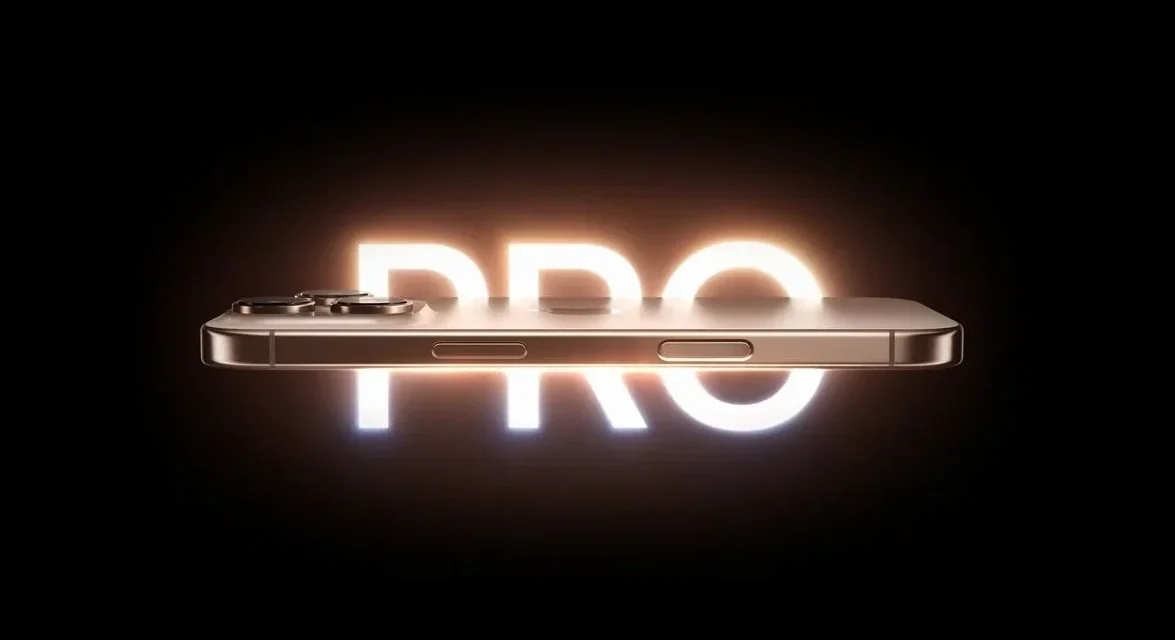
    Apple is set to redefine smartphone technology with the iPhone 17 Pro Max. It offers a blend of power, elegance, and innovation, capturing the essence of modern mobile devices. Apple pushes the limits of design and functionality with this flagship model, making it the most anticipated release in the tech world. iPhone fans have high expectations, and the iPhone 17 Pro Max promises to exceed them. Rumors circulate about groundbreaking features and impressive enhancements over previous models, fueling excitement to unprecedented levels.

    The Evolution of Apple’s Pro Max Series

    Apple has consistently raised the bar with its Pro Max models. It started with the iPhone 11 Pro Max and evolved through the iPhone 12 Pro Max, iPhone 13 Pro Max, and the exceptional iPhone 14 Pro Max. Each iteration introduced cutting-edge technology and design refinements, setting new industry standards. Apple focused on improving battery life, camera quality, and performance, making each new Pro Max model more appealing.

    The iPhone 15 Pro Max introduced a titanium frame, offering better durability and lighter weight than previous aluminum frames. It also featured a periscope lens for enhanced optical zoom. The iPhone 16 Pro Max optimized battery performance and introduced AI-driven features to enhance the user experience.

    The iPhone 17 Pro Max is more than just an upgrade. It represents the future of smartphones, combining the best elements of previous models with cutting-edge technology to shape the next era of mobile devices.

    iphone


    A19 Bionic Chip: Power Like Never Before

    One of the most exciting features of the upcoming iPhone 17 Pro Max is the rumored A19 Bionic chip. This new processor promises to offer unparalleled speed and efficiency, making tasks such as gaming, video editing, and multitasking smoother than ever. The A19 Bionic chip is expected to feature a significantly higher number of transistors than its predecessors, boosting both computational power and energy efficiency. Consequently, users can expect a phone that can handle demanding applications without compromising performance.

    Furthermore, the iPhone 17 Pro Max will likely feature a ProMotion OLED display with a 120Hz refresh rate, ensuring incredibly smooth visuals whether you’re watching videos, playing games, or simply scrolling through apps. This display will be bigger than its predecessors, measuring 6.9 inches, offering users more screen real estate for an immersive experience. Apple’s attention to detail in ensuring both speed and smooth visuals guarantees that the device will be a powerhouse for productivity and entertainment.


    A19 chip

    Camera System: A Game-Changer in Mobile Photography

    When it comes to the iPhone 17 Pro Max, one of the standout features is the camera system. Rumors suggest that Apple will introduce a groundbreaking 200MP camera system, setting a new benchmark for mobile photography. This camera will allow users to capture ultra-high-resolution images with stunning clarity, depth, and color accuracy. Additionally, the iPhone 17 Pro Max may include improved computational photography features, enabling advanced AI-based photo enhancements such as scene recognition, dynamic range improvements, and real-time image adjustments.

    Apple revolutionizes smartphone cameras, and with the iPhone 17 Pro Max, the company expects to take things even further by incorporating a more advanced camera system that delivers professional-grade results. This model will likely include enhanced optical zoom capabilities, possibly utilizing the same periscope lens introduced in the iPhone 15 Pro Max, allowing users to zoom in with incredible detail without sacrificing image quality.

    AI Capabilities: A Smart Companion

    In addition to its powerful hardware, the iPhone 17 Pro Max is expected to integrate advanced AI capabilities, making it not just a phone but a futuristic companion. Imagine a smartphone that understands your habits, anticipates your needs, and enhances your daily experience with seamless automation. With next-level AI integration, users could expect personalized recommendations, smarter Siri interactions, and more efficient performance management.

    Apple’s vision of an intelligent smartphone also includes features like predictive text, real-time language translation, and automated task management. For instance, the iPhone might be able to automatically organize your photos, suggest the best route for your commute, or even adjust settings based on your daily routine.

    Moreover, the device may introduce satellite connectivity, enabling emergency communication in areas without cellular coverage. This safety feature is expected to give users peace of mind, knowing that they can reach out for help no matter where they are. Apple’s commitment to improving safety and accessibility could position the iPhone 17 Pro Max as a must-have for anyone who values both innovation and security.

    Extended Battery Life: Stay Powered for Longer

    Battery life continues to be a crucial aspect for smartphone users, and Apple has always focused on providing an optimal balance of power and efficiency. The iPhone 17 Pro Max is expected to feature significant improvements in battery life, with rumors suggesting up to 35 hours of usage on a single charge. This could make the iPhone 17 Pro Max one of the longest-lasting devices on the market, eliminating concerns about running out of battery during the day.

    To achieve this, Apple may incorporate advanced power management systems and a larger battery capacity without compromising the device’s slim and sleek design. With these upgrades, users will be able to enjoy extended usage, whether for gaming, media consumption, or productivity, all without the constant need to recharge.

    Expected Launch Date and Global Availability

    Apple meticulously plans its release cycles, and it expects the iPhone 17 Pro Max to launch in September 2025. This timing aligns with the company’s tradition of unveiling flagship devices in the fall, creating a wave of anticipation and excitement among tech enthusiasts and Apple fans worldwide. The company will likely start pre-orders shortly after the official announcement, with global availability following soon after.

    Seamless Ecosystem Integration

    One of the greatest strengths of Apple’s product lineup is its seamless integration across devices. The iPhone 17 Pro Max will continue this tradition, ensuring compatibility with other Apple products such as the Apple Watch, AirPods, and MacBooks. This interconnected experience will further enhance user productivity, entertainment, and communication.

    For instance, users could expect features such as automatic syncing of data between devices, enhanced continuity for tasks across platforms, and easier sharing of content. Whether you’re using your iPhone to control your Apple TV, answering calls on your AirPods, or working on a document via your MacBook, the iPhone 17 Pro Max will fit effortlessly into your daily routine, creating a cohesive ecosystem of Apple devices.

    Additionally, Apple will likely enhance the iOS interface, offering more customization options, increased efficiency, and user-friendly features to ensure a smooth and enjoyable experience. With these improvements, the iPhone 17 Pro Max will not only be a powerful device but also a seamless extension of your digital life.

    Premium Pricing and Value

    As expected from Apple’s flagship device, the iPhone 17 Pro Max will come at a premium price. The starting price is expected to be $1,299, reflecting the top-tier technology and cutting-edge features packed into the device. While the iPhone 17 Pro Max may be a significant investment, it promises to deliver exceptional value in terms of performance, longevity, and overall experience.

    For those looking to upgrade, Apple’s trade-in programs and financing options will make it easier to transition to the latest model. By offering these incentives, Apple ensures that its newest device remains accessible to a broad audience, while still maintaining its premium status.

    Comparison of Pro Max Models

    Model Chipset Display Camera Battery Life Starting Price
    iPhone 14 Pro Max A16 Bionic 6.7″ OLED, 120Hz 48MP Triple 29 hours $1,099
    iPhone 15 Pro Max A17 Pro 6.7″ OLED, 120Hz 48MP + Periscope 30 hours $1,199
    iPhone 16 Pro Max A18 Bionic 6.7″ OLED, 120Hz 64MP Triple 32 hours $1,249
    iPhone 17 Pro Max A19 Bionic 6.9″ OLED, 120Hz 200MP Triple 35 hours $1,299

    Why the Apple iPhone 17 Pro Max Stands Out

    With the iPhone 17 Pro Max, Apple is pushing the envelope once again, setting a new standard for what smartphones can achieve. From its powerful hardware and groundbreaking AI capabilities to its sleek design and seamless integration into the Apple ecosystem, this device represents the pinnacle of mobile technology. As the release date approaches, the excitement surrounding the iPhone 17 Pro Max continues to build, promising a transformative experience for users around the globe.

    The Battle of Clean Energy Cars – What’s Next? Read more!

  • Electric Vehicles vs. Hydrogen Cars: Which Technology Holds the Future?

    Electric Vehicles vs. Hydrogen Cars: Which Technology Holds the Future?

    In the quest for sustainable transportation, the debate between electric vehicles vs. hydrogen cars has intensified. Both technologies aim to reduce carbon emissions and dependence on fossil fuels, but they differ significantly in their approaches and current adoption rates. This article delves into the intricacies of electric vehicles vs. hydrogen cars, comparing their technologies, efficiencies, environmental impacts, infrastructures, and market trends to provide a comprehensive understanding of their roles in the future of transportation.


    Electric Vehicles vs. Hydrogen Cars

    Electric Vehicles (EVs)

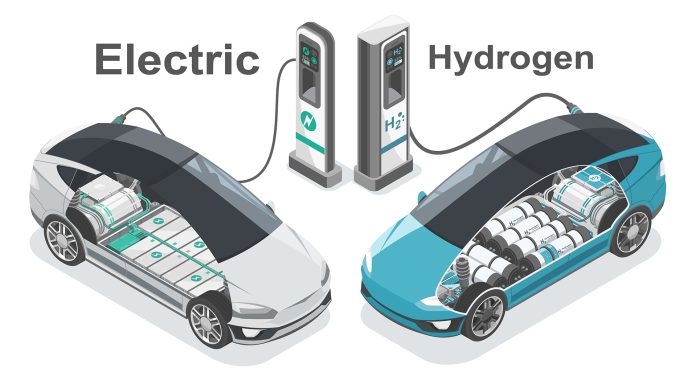
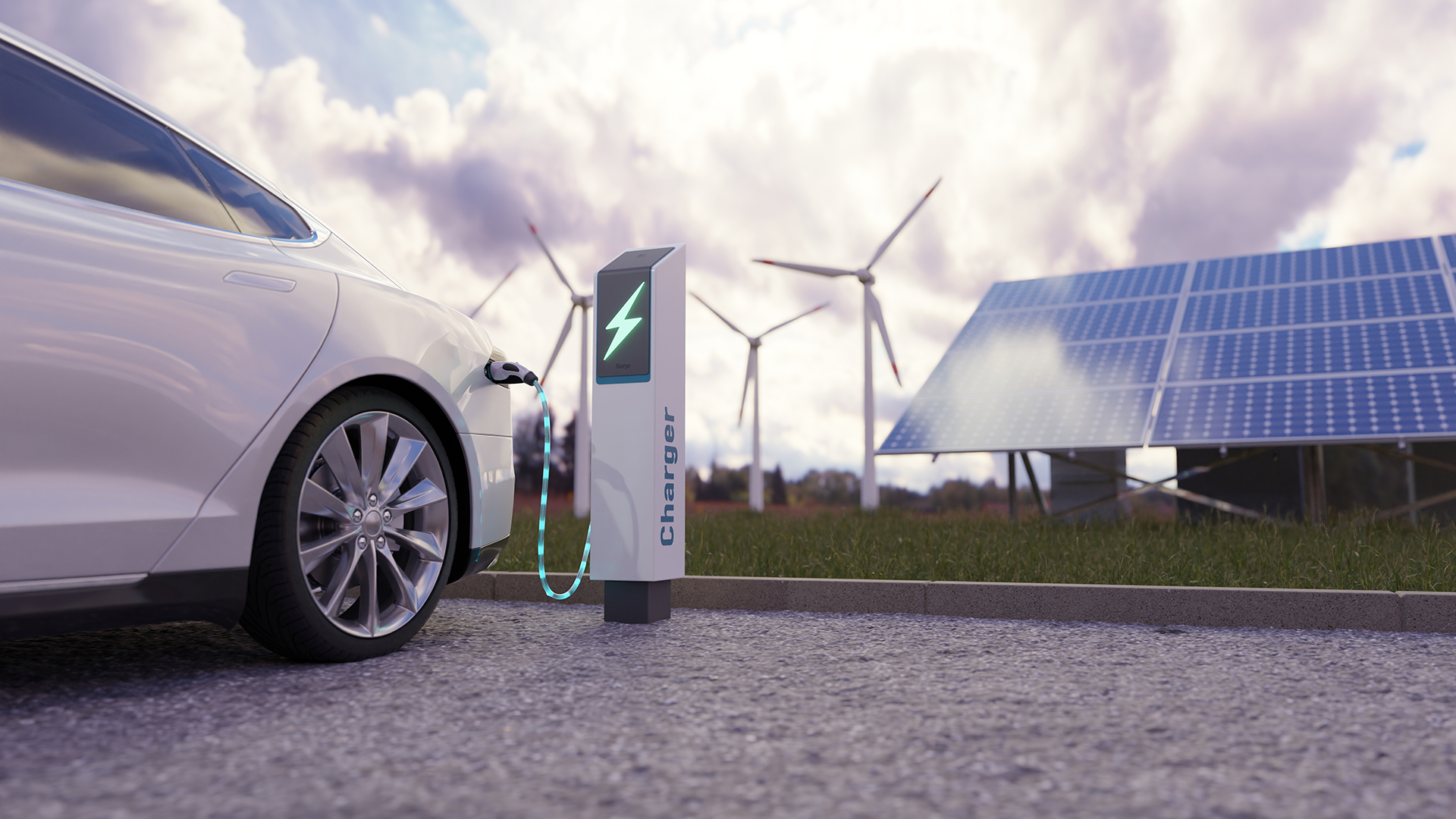
    EVs operate by storing electrical energy in batteries, which power electric motors to drive the vehicle. Drivers charge these batteries by plugging into the electrical grid, making the process straightforward and increasingly convenient with the expansion of charging infrastructure. The simplicity of the electric drivetrain results in fewer moving parts, reducing maintenance needs and enhancing vehicle longevity.

    Modern EVs boast impressive acceleration and quiet operation, thanks to their electric motors’ instant torque delivery. With advancements in battery technology, current EVs offer ranges exceeding 300 miles on a single charge, addressing early concerns about limited driving distance. Furthermore, regenerative braking systems improve efficiency by converting kinetic energy back into stored electricity during deceleration.

    Cost efficiency is another key advantage. Charging an EV is often cheaper than refueling a gasoline or hydrogen vehicle, especially when using home charging stations with off-peak electricity rates. Many countries offer incentives and subsidies for EV buyers, further enhancing affordability and adoption.

    electric cars


    Hydrogen Fuel Cell Vehicles (FCVs)

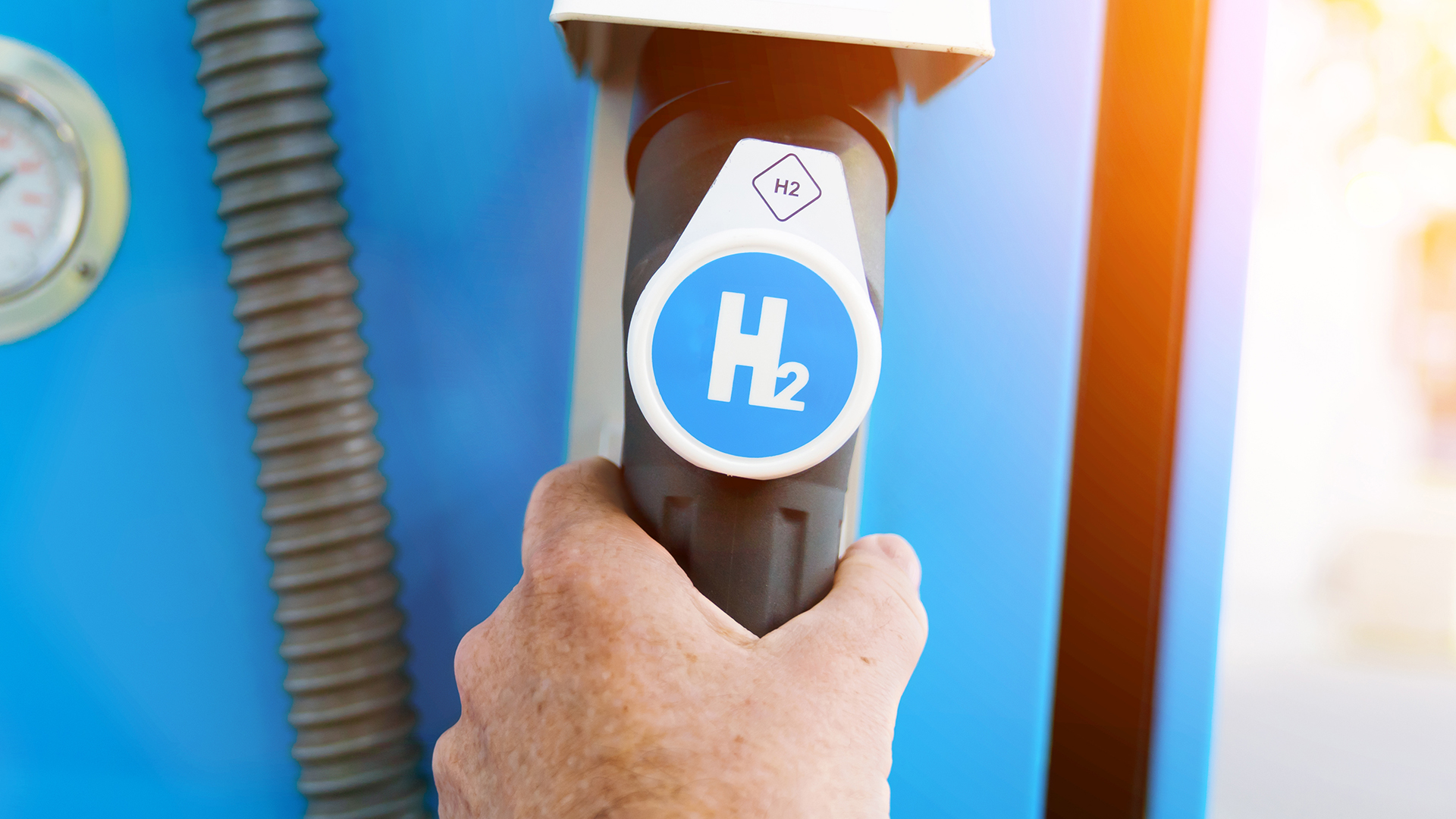
    Hydrogen cars, or fuel cell vehicles (FCVs), utilize hydrogen gas to generate electricity through fuel cells. In this process, hydrogen reacts with oxygen, producing electricity, water, and heat. The electricity then powers the vehicle’s motor. This technology emits only water vapor, positioning it as an environmentally friendly alternative to traditional internal combustion engines. However, the complexity of producing, storing, and distributing hydrogen poses significant challenges.

    FCVs stand out for their rapid refueling capabilities, typically taking under five minutes to fill a hydrogen tank — a crucial advantage for long-distance travel. They also maintain consistent performance in extreme weather conditions, where battery efficiency can diminish. With ranges often exceeding 400 miles per tank, hydrogen cars rival traditional gasoline vehicles in long-range usability.

    Despite these strengths, hydrogen cars face hurdles in production and infrastructure. Producing hydrogen through electrolysis or natural gas reforming remains energy-intensive and costly. Storage requires high-pressure tanks or cryogenic methods, adding complexity and expense. Moreover, the limited number of hydrogen refueling stations worldwide constrains widespread adoption.

    hydrogen cars

    Energy Efficiency Comparison

    EVs are notably more energy-efficient than hydrogen cars. The process of generating electricity, storing it in batteries, and using it to power the vehicle is approximately 80% efficient. In contrast, producing hydrogen (often through electrolysis), compressing or liquefying it for storage, transporting it, and converting it back to electricity in a fuel cell results in an overall efficiency of about 38%. This means FCVs consume more energy to travel the same distance as EVs.

    Additionally, the well-to-wheel efficiency — measuring total energy use from production to vehicle operation — further underscores EVs’ superiority. Renewable energy integration with EV charging enhances sustainability, whereas hydrogen production often depends on fossil fuels, diminishing its green credentials.


    Refueling Time and Driving Range

    Hydrogen cars have an advantage in refueling time, taking just minutes to fill up, similar to conventional gasoline vehicles. They also offer competitive driving ranges, with models like the 2021 Toyota Mirai achieving up to 402 miles on a single tank. EVs, while improving, still require longer charging times, especially on standard home outlets. However, advancements in fast-charging technology and increasing battery capacities are narrowing this gap.

    Ultra-fast chargers can replenish EV batteries up to 80% within 20-30 minutes, making long-distance travel increasingly viable. Wireless charging and battery swap stations represent emerging innovations that could further revolutionize EV convenience and efficiency.


    Emissions and Carbon Footprint

    Both EVs and hydrogen cars produce zero tailpipe emissions, contributing to improved air quality. However, the environmental benefits depend on how the electricity or hydrogen is produced. EVs charged from renewable energy sources like wind or solar power have a minimal carbon footprint. Conversely, if the electricity comes from fossil fuels, the benefits diminish. Similarly, most hydrogen production currently relies on natural gas, emitting CO₂ in the process. Green hydrogen, produced using renewable energy, remains limited due to high costs and technological challenges.

    Lifecycle emissions analysis also favors EVs, given their higher energy efficiency. As renewable energy adoption grows globally, EVs’ environmental performance will continue to improve.


    Resource Consumption and Sustainability

    EV batteries require minerals like lithium, cobalt, and nickel, raising concerns about mining practices, environmental degradation, and supply chain ethics. Hydrogen production, storage, and distribution also demand significant energy and infrastructure investments, impacting their overall environmental footprint.

    Innovations in battery recycling and solid-state battery development promise to mitigate environmental impacts, enhancing EV sustainability. Hydrogen production advancements, like solar-driven electrolysis and biohydrogen, aim to address current inefficiencies and resource dependencies.


    Charging and Refueling Networks

    EVs benefit from a rapidly expanding charging infrastructure, with public and private investments accelerating the deployment of charging stations globally. In contrast, hydrogen refueling stations are scarce and concentrated in specific regions, limiting the practicality of FCVs for many consumers. For example, in Australia, only five hydrogen vehicles were sold in a recent quarter compared to over 25,000 battery-electric vehicles, reflecting the disparity in infrastructure and consumer adoption.

    Smart charging solutions and vehicle-to-grid (V2G) technologies enhance EV infrastructure efficiency, enabling bidirectional energy flow and grid stability support. Hydrogen refueling station expansion, though slower, receives targeted investments in key markets like Japan, Germany, and California.


    Market Trends and Consumer Adoption

    The automotive industry has largely embraced EVs, with numerous manufacturers offering a wide range of models across various price points. Companies like Toyota, initially proponents of hydrogen technology, are now accelerating their electric car development to meet regulatory demands and consumer preferences. However, some manufacturers, such as BMW, continue to invest in hydrogen technology, planning to introduce mass-produced hydrogen cars by 2028. This indicates a belief in hydrogen’s potential, particularly for specific applications like heavy-duty transport.

    Fleet electrification and government mandates drive EV adoption, while hydrogen finds favor in commercial sectors like buses, trucks, and industrial equipment requiring longer ranges and fast refueling.


    Challenges Facing Hydrogen Fuel Cell Vehicles

    Critics argue that hydrogen cars face inherent inefficiencies and logistical challenges. The energy-intensive process of producing, storing, and transporting hydrogen reduces the overall efficiency of FCVs compared to EVs. Additionally, the lack of refueling infrastructure and the high costs associated with developing it hinder widespread adoption.

    Public perception and technological readiness remain barriers, despite hydrogen’s potential for diverse applications in transportation and energy sectors.


    Challenges Facing Electric Vehicles

    While EVs have gained significant momentum, they are not without challenges. Concerns include battery degradation over time, limited range compared to some traditional vehicles, and the environmental impact of battery production and disposal. However, ongoing research and development aim to address these issues, with advancements in battery technology and recycling processes showing promise.

    Charging network standardization and equitable access to infrastructure require ongoing efforts to ensure inclusive EV adoption worldwide.


    Future Outlook

    Both EVs and hydrogen cars are subjects of intense research and development. Advancements in battery technology, such as solid-state batteries, promise to enhance EV performance, reduce charging times, and extend driving ranges. For hydrogen cars, innovations in fuel cell efficiency and sustainable hydrogen production methods are crucial for their viability.


    Conclusion

    The debate between electric vehicles and hydrogen cars is far from settled. EVs currently lead in efficiency, infrastructure, and market adoption, making them the preferred choice for most consumers and manufacturers. Hydrogen cars, while facing significant challenges, offer potential advantages in refueling time and range, particularly for commercial and heavy-duty applications. As technology advances and infrastructure expands, both EVs and hydrogen cars will likely play essential roles in the transition to sustainable transportation.


    Curious if TikTok will be banned in 2025? Find out more by clicking here!


  • TikTok Vs RedNote: App that Bridges US and Chinese Communities in 2025

    TikTok Vs RedNote: App that Bridges US and Chinese Communities in 2025

    Xiaohongshu, a widely-used Chinese social media app, is based in Shanghai.

    RedNote: The Rise of Rednote as TikTok’s Alternative in the US

    As TikTok’s future in the United States remains uncertain, American social media users are turning to new platforms, with one surprising contender emerging: Xiaohongshu, also known as RedNote in the U.S.

    This Chinese social media app, which translates to “Little Red Book,” has recently soared to the top of Apple’s U.S. App Store, reflecting a growing interest among American users.

    Launched in 2013, RedNote has become one of China’s leading social media platforms, boasting over 300 million users, according to research firm Qian Gua.

    Often called China’s Instagram, the app is popular for its engaging content centred around travel, beauty, and fashion.

    While RedNote has long been a leader in the Chinese market, its global reach has remained modest—until recently. As a potential TikTok ban looms, RedNote plans to disrupt the U.S. social media scene, offering a new alternative backed by years of success in its home market.

    Could this mark the beginning of RedNote’s rise as the next global social media powerhouse? Only time will tell.


    Everything You Need to Know About TikTok’s Potential US Ban

    U.S. Supreme Court to Review TikTok's Request to Block Ban.

    TikTok is at risk of being shut down in the United States on Sunday, as the deadline nears for its Chinese parent company, ByteDance, to either divest its stake or cease operations. In April, U.S. President Joe Biden signed the Protecting Americans from Foreign Adversary Controlled Applications Act (PAFACA), presenting ByteDance with this ultimatum.


    Why is RedNote everywhere?

    Xiaohongshu AKA RedNote is quickly gaining worldwide popularity, coinciding with the looming possibility of TikTok’s shutdown in the U.S. This week, U.S. mobile downloads of RedNote surged nearly three times compared to the previous week, according to data from San Francisco-based market intelligence firm Sensor Tower, shared with CNN on Tuesday.

    U.S. Drops Trump Orders to Ban TikTok and WeChat | FMT.

    According to Reuters, RedNote gained over 700,000 new users in just two days, citing a source close to the company. CNN has reached out to RedNote for comment.

    By Wednesday, the hashtag “TikTok refugee” had amassed nearly 250 million views and more than 5.5 million comments, with many American users joining in protest against Washington’s stance on TikTok.

    “Our government is out of their minds if they think we’re going to stand for this TikTok ban,” a user called Heather Roberts said in a video message on RedNote , which has garnered more than 45,000 likes. “We’re just going to a new Chinese app, and here we are.”

    “This is so much better than TikTok,” another self-proclaimed “refugee” said in video message. “Americans are coming here … so sorry you’ll hate us, but I promise we’ll do our best.”

    Chinese and American Users Interaction on RedNote

    The rapid arrival of U.S. users on RedNote has unexpectedly created a space for Chinese and American users to connect and interact.

    “I just want to reassure you that we want to try to find a way to communicate with you, be respectful to your community,” one user said. “We want to be good guests.”

    Some new American users have encouraged their fellow countrymen to treat Chinese users with respect on the platform.

    “Just a quick message for the American users coming over here: Please don’t bring politics here. We want to have fun here, we want to enjoy here, and we want to show respect to the people who are already here,” one user posted.

    The majority of Chinese users have warmly welcomed the newcomers, with some even producing video tutorials to help the new “TikTok refugees” navigate the app.

    “This could be a historic moment,” one Chinese user commented. “It feels like so much has changed in an instant. Ordinary people from our two countries have never really connected before … I hope everyone can take this brief chance to engage in meaningful exchanges of ideas.”

    One user took advantage of the influx of American users by asking for help with their English homework in a viral post that garnered over 2,000 likes.

    Ivy Yang, a tech analyst from China and founder of Wavelet Strategy, highlighted that the increase in American users has created “one of the most organic forms of cultural exchange between the US and China in recent years.”

    She added, “Users are getting creative in overcoming language barriers, navigating cultural differences, and coexisting in fascinating ways. This real-time community-building could have a lasting impact, and I’m cautiously optimistic.”

    In 2021, a similar exchange happened on the Clubhouse app, where Chinese and American users engaged in open discussions on sensitive topics. However, Chinese censors later blocked the app.

    As of Tuesday, only a small fraction of posts on X about Xiaohongshu addressed sensitive topics in China, where authorities heavily monitor online content, according to media intelligence firm PeakMetrics.


    What sets Rednote apart from TikTok?

    RedNote initially targeted non-English-speaking users, while TikTok remains inaccessible in China.

    Many view the name “RedNote” as a playful nod to the red-covered book of quotes by Mao Zedong, the founding father of Communist China.

    RedNote uniquely designs its content algorithm to prioritize user interests over the people they follow. This approach fosters original content and limits the influence of top influencers.

    Developed by Xingin Information Technology, RedNote was founded by Charlwin Mao and Miranda Qu and is based in Shanghai.

    In contrast, TikTok is owned by ByteDance, a Chinese internet company, and caters to a global audience. TikTok is not available in China, where the local version of the app, Douyin, is used instead.


    Are U.S. TikTok users migrating to apps besides Rednote?

    Lemon8, a lifestyle community app owned by ByteDance, currently ranks as the second-most downloaded app on Apple’s U.S. store.

    Similar to TikTok, Lemon8 allows video sharing and features an aesthetic reminiscent of Instagram and Pinterest. ByteDance launched it in the U.S. in 2023.

    It remains uncertain whether the potential TikTok ban could also affect Lemon8’s availability in the U.S.


    Is RedNote Safe? What TikTok Users Need to Know…

    If you’re a TikTok user concerned about the future of the app, you might be wondering whether RedNote is a safe alternative. RedNote, a popular social media platform, has quickly gained traction among U.S. users as TikTok faces potential shutdowns. With millions of TikTok users looking for new platforms, it’s important to assess RedNote’s safety features, privacy policies, and overall user experience. In this article, we’ll explore what TikTok users need to know about RedNote’s security measures, its potential risks, and whether it offers a safe space for social media engagement. Stay informed as we dive into the key aspects of RedNote’s safety and its rising popularity.

  • Will TikTok Face a Ban in 2025?

    Will TikTok Face a Ban in 2025?

    TikTok will be banned in the U.S. on January 19 unless the Supreme Court accepts a last-minute legal appeal from its Chinese parent company, ByteDance, arguing that the ban is unconstitutional.

    However, even if the Supreme Court upholds the decisions of lower courts and Congress and deems TikTok a national security threat, will it truly prevent Americans from using the platform?

    Could users find ways to bypass the ban, or might President-elect Donald Trump, who opposes the law, intervene to prevent it from taking effect, even if the courts uphold it?

    And regardless of TikTok’s fate, who stands to gain from the uncertainty surrounding its future?


    Is it possible to continue using TikTok even if it’s banned?

    The most likely approach the U.S. would take to ban TikTok is by requiring app stores, like the Google Play Store and Apple’s App Store, to remove it from availability in the region.

    U.S. lawmakers have already instructed tech companies to prepare for the possibility of removing TikTok from their platforms if a ban is enforced.

    • What are the reasons behind the U.S. wanting to ban TikTok?
    • Trump is urging the Supreme Court to postpone the TikTok ban.


    If a ban is implemented, people would no longer have a legitimate way to download TikTok. However, those who already have the app installed could continue using it for the time being.

    Getty Images A group of young individuals, dressed in cold-weather attire, stand outside the U.S. Supreme Court holding a sign that reads "Keep TikTok."

    Protesters continue to assemble outside the Supreme Court in a final effort to persuade lawmakers to heed their concerns

    There are certainly ways to bypass such a ban.

    Many TikTok videos are already circulating, showing users how to use a VPN (virtual private network) to appear to be in a different region.

    On most devices, users can also change the region of their app stores, allowing access to apps from other countries—though this could lead to other issues and may violate terms of service agreements.

    Additionally, it’s possible to install apps downloaded from the internet by modifying a device, which could break copyright laws and present its own risks. However, the government has anticipated this and is considering banning “internet hosting services” from providing access to the app.

    If the ban is implemented this way, determined users will likely still find a way to access TikTok, but it won’t offer the same experience they’re used to.


    What are other possible ways officials could ban TikTok?

    There are other potential measures the government could take in the future. For example, after India banned TikTok in 2020, it instructed internet providers to block access to the app entirely.

    Even if users resorted to using a VPN, TikTok could still find ways to determine whether a person is located in the U.S. and could display a message saying the app is unavailable in their country.

    TikTok’s lawyer told the Supreme Court that the app will likely “go dark” in the U.S. unless the Court rules in its favor.

    The complexity of the situation means even experts are unsure about the next steps.

    However, he emphasized that the consequences would be clear for both users and the broader internet.

    “It would totally legitimise the fragmentation of the internet along national or jurisdictional boundaries,” he said.

    Will Trump still be able to intervene?

    Getty Images Donald Trump stands with a calm expression on his face.

    Trump has made it clear that he opposes the law, set to take effect the day before his return to office. He has asked the Supreme Court to delay its implementation while he seeks a “political solution.”

    However, the method for achieving this remains uncertain. The Washington Post reported that one option is for Trump to sign an executive order suspending the law’s enforcement.

    “I don’t want to get ahead of our executive orders, but we’re going to create the space to put that deal in place,” Waltz said.

    Another option is for Trump to let the law stand but instruct the Department of Justice not to enforce it.

    In this case, the government would inform Apple and Google that they won’t face consequences for continuing to offer TikTok access. While the law would technically remain, it would become ineffective.


    Is it possible for a new buyer to emerge?

    Getty Images Shou Zi Chew, dressed in a sharp suit and sporting short hair, speaks at an event.

    TikTok’s Boss, Shou Zi Chew, has consistently denied the notion of selling a part of the platform.


    Until now, ByteDance has firmly rejected the idea of selling its prized U.S. asset.

    Potential buyers are still interested.

    Other interested parties include former Treasury Secretary Steven Mnuchin and billionaire Frank McCourt.

    An unexpected, and less serious, potential buyer is YouTuber MrBeast. He stated that billionaires reached out to him about the possibility.


    Which platforms could people turn to as an alternative?

    TikTok claims 170 million U.S. users, spending an average of 51 minutes daily in 2024.

    Facebook could also gain, though Enberg mentions it may face challenges due to controversial policy changes from CEO Mark Zuckerberg.

    Twitch, popular for live streams, could also benefit, expanding beyond gaming content.

    Other Chinese-owned platforms like Xiaohongshu (RedNote in the U.S.) are growing in the U.S. and the UK.

    However, no app matches TikTok, especially its TikTok Shop feature, which generates significant revenue for U.S. creators.

    Check out the article to Rednote!