Category: Global

  • Santa Tracker: How Millions Follow Santa Claus Around the World on Christmas Eve

    Santa Tracker: How Millions Follow Santa Claus Around the World on Christmas Eve

    Santa Tracker: Track Santa Claus Live on Christmas Eve

    Every year on Christmas Eve, millions of families across the world use Santa Tracker to follow Santa Claus as he delivers presents across the globe. This festive online experience has become a modern Christmas tradition, combining holiday magic with interactive technology.

    Whether you’re a parent, child, or simply feeling festive, Santa Tracker allows users to track Santa Claus live, see where he is right now, and count how many gifts he has delivered so far.


    What Is Santa Tracker?

    Santa Tracker is an online holiday tool that lets users track Santa Claus’s journey in real time on December 24. The tracker displays Santa’s location as he travels across countries and time zones, giving updates on his progress throughout Christmas Eve.

    Most Santa Tracker platforms also include:

    • Live maps showing Santa’s current location

    • Countdown timers until Santa arrives in your area

    • Gift delivery counters

    • Fun Christmas games and activities

    • Educational facts about different countries

    This combination makes Santa Tracker both entertaining and educational.


    How Does Santa Tracker Work?

    Santa Tracker follows a fictional schedule based on global time zones. As Christmas Eve begins in the eastern parts of the world, Santa appears on the tracker and moves westward throughout the night.

    Although Santa Tracker is based on imagination, it uses interactive maps, animations, and storytelling to simulate a real journey, keeping children engaged and excited.


    Who Created Santa Tracker?

    One of the most popular versions of Santa Tracker is operated by Google, which expanded the idea into a full holiday experience. Over time, it has grown to include games, videos, music, and learning activities throughout December.

    Other organizations and websites also offer Santa tracking experiences, each with unique features and festive designs.


    When Does Santa Tracker Go Live?

    Santa Tracker typically goes live on December 24 (Christmas Eve). Some platforms open earlier in December with games and activities, while the live tracking starts once Santa begins his journey.

    Parents often use Santa Tracker as a fun way to:

    • Build excitement before bedtime

    • Encourage children to sleep early

    • Share a family Christmas Eve tradition


    Why Is Santa Tracker So Popular?

    Santa Tracker is loved worldwide because it:

    • Creates excitement and anticipation for children

    • Encourages family bonding during the holidays

    • Introduces kids to world geography and time zones

    • Is free, safe, and easy to use

    For many families, checking Santa Tracker has become just as important as decorating the tree or leaving out cookies.


    Is Santa Tracker Free to Use?

    Yes. Most Santa Tracker websites are completely free and accessible on smartphones, tablets, and computers. No sign-ups or downloads are required, making it easy for anyone to join the fun.


    Santa Tracker: A Modern Christmas Tradition

    Santa Tracker blends classic Christmas storytelling with modern technology. While rooted in imagination, it shows how digital tools can enhance holiday traditions rather than replace them.

    For children, Santa Tracker adds wonder and excitement. For adults, it creates a joyful shared moment that brings families together on Christmas Eve.


    Frequently Asked Questions About Santa Tracker

    Can you really track Santa Claus live?

    Santa Tracker is a fun, fictional experience designed to entertain families and children during Christmas Eve.

    What time does Santa Tracker start?

    Santa Tracker usually starts early on December 24, following Santa as he travels through different time zones.

    Is Santa Tracker safe for kids?

    Yes, Santa Tracker platforms are family-friendly and designed specifically for children.


    Final Thoughts

    Santa Tracker has become a beloved global tradition, helping families celebrate the magic of Christmas together. Whether you’re tracking Santa’s sleigh, counting gifts, or enjoying festive games, Santa Tracker brings joy to millions every holiday season.

    Electric Vehicles vs. Hydrogen Cars: Which Technology Holds the Future?

  • Apple iPhone 17 Pro Max: Unveiling the Cutting-Edge Future of Smartphones

    Apple iPhone 17 Pro Max: Unveiling the Cutting-Edge Future of Smartphones

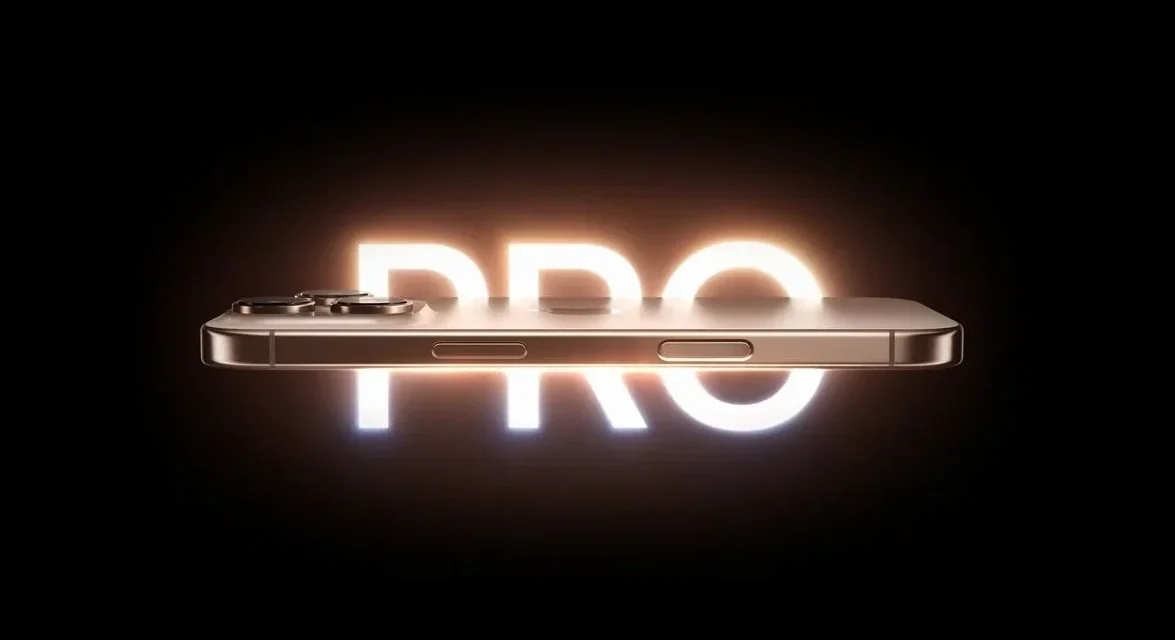
    Apple is set to redefine smartphone technology with the iPhone 17 Pro Max. It offers a blend of power, elegance, and innovation, capturing the essence of modern mobile devices. Apple pushes the limits of design and functionality with this flagship model, making it the most anticipated release in the tech world. iPhone fans have high expectations, and the iPhone 17 Pro Max promises to exceed them. Rumors circulate about groundbreaking features and impressive enhancements over previous models, fueling excitement to unprecedented levels.

    The Evolution of Apple’s Pro Max Series

    Apple has consistently raised the bar with its Pro Max models. It started with the iPhone 11 Pro Max and evolved through the iPhone 12 Pro Max, iPhone 13 Pro Max, and the exceptional iPhone 14 Pro Max. Each iteration introduced cutting-edge technology and design refinements, setting new industry standards. Apple focused on improving battery life, camera quality, and performance, making each new Pro Max model more appealing.

    The iPhone 15 Pro Max introduced a titanium frame, offering better durability and lighter weight than previous aluminum frames. It also featured a periscope lens for enhanced optical zoom. The iPhone 16 Pro Max optimized battery performance and introduced AI-driven features to enhance the user experience.

    The iPhone 17 Pro Max is more than just an upgrade. It represents the future of smartphones, combining the best elements of previous models with cutting-edge technology to shape the next era of mobile devices.

    iphone


    A19 Bionic Chip: Power Like Never Before

    One of the most exciting features of the upcoming iPhone 17 Pro Max is the rumored A19 Bionic chip. This new processor promises to offer unparalleled speed and efficiency, making tasks such as gaming, video editing, and multitasking smoother than ever. The A19 Bionic chip is expected to feature a significantly higher number of transistors than its predecessors, boosting both computational power and energy efficiency. Consequently, users can expect a phone that can handle demanding applications without compromising performance.

    Furthermore, the iPhone 17 Pro Max will likely feature a ProMotion OLED display with a 120Hz refresh rate, ensuring incredibly smooth visuals whether you’re watching videos, playing games, or simply scrolling through apps. This display will be bigger than its predecessors, measuring 6.9 inches, offering users more screen real estate for an immersive experience. Apple’s attention to detail in ensuring both speed and smooth visuals guarantees that the device will be a powerhouse for productivity and entertainment.


    A19 chip

    Camera System: A Game-Changer in Mobile Photography

    When it comes to the iPhone 17 Pro Max, one of the standout features is the camera system. Rumors suggest that Apple will introduce a groundbreaking 200MP camera system, setting a new benchmark for mobile photography. This camera will allow users to capture ultra-high-resolution images with stunning clarity, depth, and color accuracy. Additionally, the iPhone 17 Pro Max may include improved computational photography features, enabling advanced AI-based photo enhancements such as scene recognition, dynamic range improvements, and real-time image adjustments.

    Apple revolutionizes smartphone cameras, and with the iPhone 17 Pro Max, the company expects to take things even further by incorporating a more advanced camera system that delivers professional-grade results. This model will likely include enhanced optical zoom capabilities, possibly utilizing the same periscope lens introduced in the iPhone 15 Pro Max, allowing users to zoom in with incredible detail without sacrificing image quality.

    AI Capabilities: A Smart Companion

    In addition to its powerful hardware, the iPhone 17 Pro Max is expected to integrate advanced AI capabilities, making it not just a phone but a futuristic companion. Imagine a smartphone that understands your habits, anticipates your needs, and enhances your daily experience with seamless automation. With next-level AI integration, users could expect personalized recommendations, smarter Siri interactions, and more efficient performance management.

    Apple’s vision of an intelligent smartphone also includes features like predictive text, real-time language translation, and automated task management. For instance, the iPhone might be able to automatically organize your photos, suggest the best route for your commute, or even adjust settings based on your daily routine.

    Moreover, the device may introduce satellite connectivity, enabling emergency communication in areas without cellular coverage. This safety feature is expected to give users peace of mind, knowing that they can reach out for help no matter where they are. Apple’s commitment to improving safety and accessibility could position the iPhone 17 Pro Max as a must-have for anyone who values both innovation and security.

    Extended Battery Life: Stay Powered for Longer

    Battery life continues to be a crucial aspect for smartphone users, and Apple has always focused on providing an optimal balance of power and efficiency. The iPhone 17 Pro Max is expected to feature significant improvements in battery life, with rumors suggesting up to 35 hours of usage on a single charge. This could make the iPhone 17 Pro Max one of the longest-lasting devices on the market, eliminating concerns about running out of battery during the day.

    To achieve this, Apple may incorporate advanced power management systems and a larger battery capacity without compromising the device’s slim and sleek design. With these upgrades, users will be able to enjoy extended usage, whether for gaming, media consumption, or productivity, all without the constant need to recharge.

    Expected Launch Date and Global Availability

    Apple meticulously plans its release cycles, and it expects the iPhone 17 Pro Max to launch in September 2025. This timing aligns with the company’s tradition of unveiling flagship devices in the fall, creating a wave of anticipation and excitement among tech enthusiasts and Apple fans worldwide. The company will likely start pre-orders shortly after the official announcement, with global availability following soon after.

    Seamless Ecosystem Integration

    One of the greatest strengths of Apple’s product lineup is its seamless integration across devices. The iPhone 17 Pro Max will continue this tradition, ensuring compatibility with other Apple products such as the Apple Watch, AirPods, and MacBooks. This interconnected experience will further enhance user productivity, entertainment, and communication.

    For instance, users could expect features such as automatic syncing of data between devices, enhanced continuity for tasks across platforms, and easier sharing of content. Whether you’re using your iPhone to control your Apple TV, answering calls on your AirPods, or working on a document via your MacBook, the iPhone 17 Pro Max will fit effortlessly into your daily routine, creating a cohesive ecosystem of Apple devices.

    Additionally, Apple will likely enhance the iOS interface, offering more customization options, increased efficiency, and user-friendly features to ensure a smooth and enjoyable experience. With these improvements, the iPhone 17 Pro Max will not only be a powerful device but also a seamless extension of your digital life.

    Premium Pricing and Value

    As expected from Apple’s flagship device, the iPhone 17 Pro Max will come at a premium price. The starting price is expected to be $1,299, reflecting the top-tier technology and cutting-edge features packed into the device. While the iPhone 17 Pro Max may be a significant investment, it promises to deliver exceptional value in terms of performance, longevity, and overall experience.

    For those looking to upgrade, Apple’s trade-in programs and financing options will make it easier to transition to the latest model. By offering these incentives, Apple ensures that its newest device remains accessible to a broad audience, while still maintaining its premium status.

    Comparison of Pro Max Models

    Model Chipset Display Camera Battery Life Starting Price
    iPhone 14 Pro Max A16 Bionic 6.7″ OLED, 120Hz 48MP Triple 29 hours $1,099
    iPhone 15 Pro Max A17 Pro 6.7″ OLED, 120Hz 48MP + Periscope 30 hours $1,199
    iPhone 16 Pro Max A18 Bionic 6.7″ OLED, 120Hz 64MP Triple 32 hours $1,249
    iPhone 17 Pro Max A19 Bionic 6.9″ OLED, 120Hz 200MP Triple 35 hours $1,299

    Why the Apple iPhone 17 Pro Max Stands Out

    With the iPhone 17 Pro Max, Apple is pushing the envelope once again, setting a new standard for what smartphones can achieve. From its powerful hardware and groundbreaking AI capabilities to its sleek design and seamless integration into the Apple ecosystem, this device represents the pinnacle of mobile technology. As the release date approaches, the excitement surrounding the iPhone 17 Pro Max continues to build, promising a transformative experience for users around the globe.

    The Battle of Clean Energy Cars – What’s Next? Read more!

  • Electric Vehicles vs. Hydrogen Cars: Which Technology Holds the Future?

    Electric Vehicles vs. Hydrogen Cars: Which Technology Holds the Future?

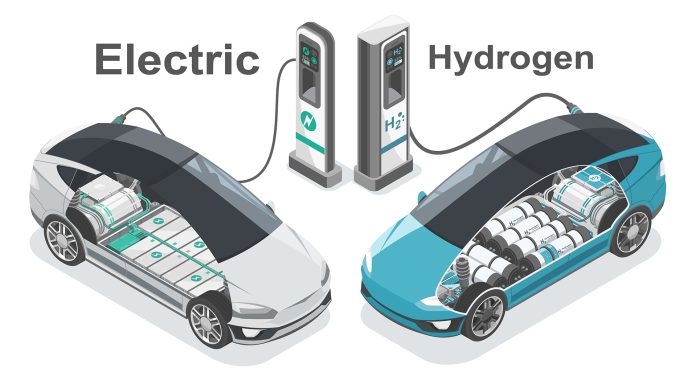
    In the quest for sustainable transportation, the debate between electric vehicles vs. hydrogen cars has intensified. Both technologies aim to reduce carbon emissions and dependence on fossil fuels, but they differ significantly in their approaches and current adoption rates. This article delves into the intricacies of electric vehicles vs. hydrogen cars, comparing their technologies, efficiencies, environmental impacts, infrastructures, and market trends to provide a comprehensive understanding of their roles in the future of transportation.
     

    Electric Vehicles vs. Hydrogen Cars

    Electric Vehicles (EVs)

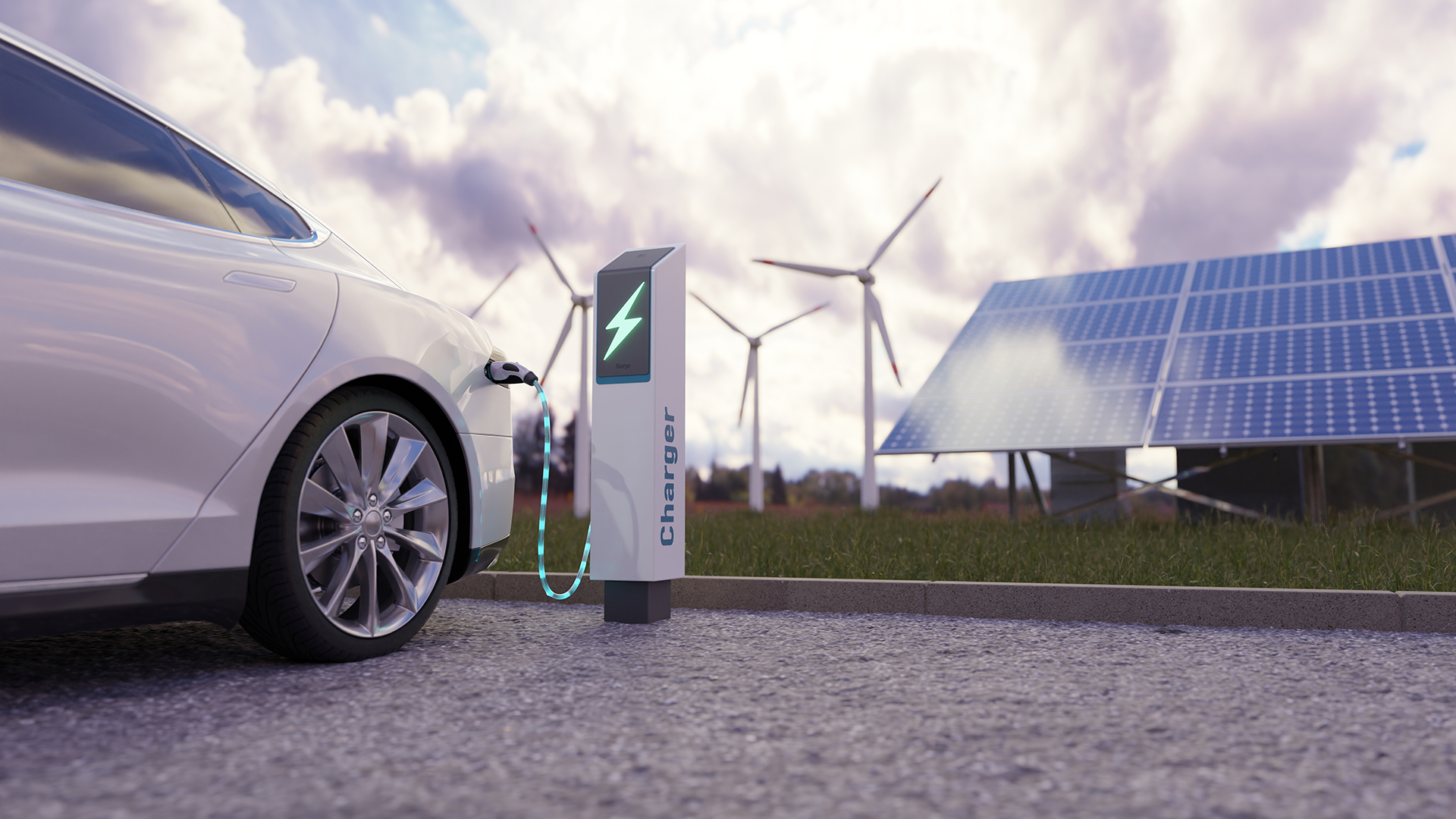
    EVs operate by storing electrical energy in batteries, which power electric motors to drive the vehicle. Drivers charge these batteries by plugging into the electrical grid, making the process straightforward and increasingly convenient with the expansion of charging infrastructure. The simplicity of the electric drivetrain results in fewer moving parts, reducing maintenance needs and enhancing vehicle longevity.

    Modern EVs boast impressive acceleration and quiet operation, thanks to their electric motors’ instant torque delivery. With advancements in battery technology, current EVs offer ranges exceeding 300 miles on a single charge, addressing early concerns about limited driving distance. Furthermore, regenerative braking systems improve efficiency by converting kinetic energy back into stored electricity during deceleration.

    Cost efficiency is another key advantage. Charging an EV is often cheaper than refueling a gasoline or hydrogen vehicle, especially when using home charging stations with off-peak electricity rates. Many countries offer incentives and subsidies for EV buyers, further enhancing affordability and adoption.
    electric cars


    Hydrogen Fuel Cell Vehicles (FCVs)

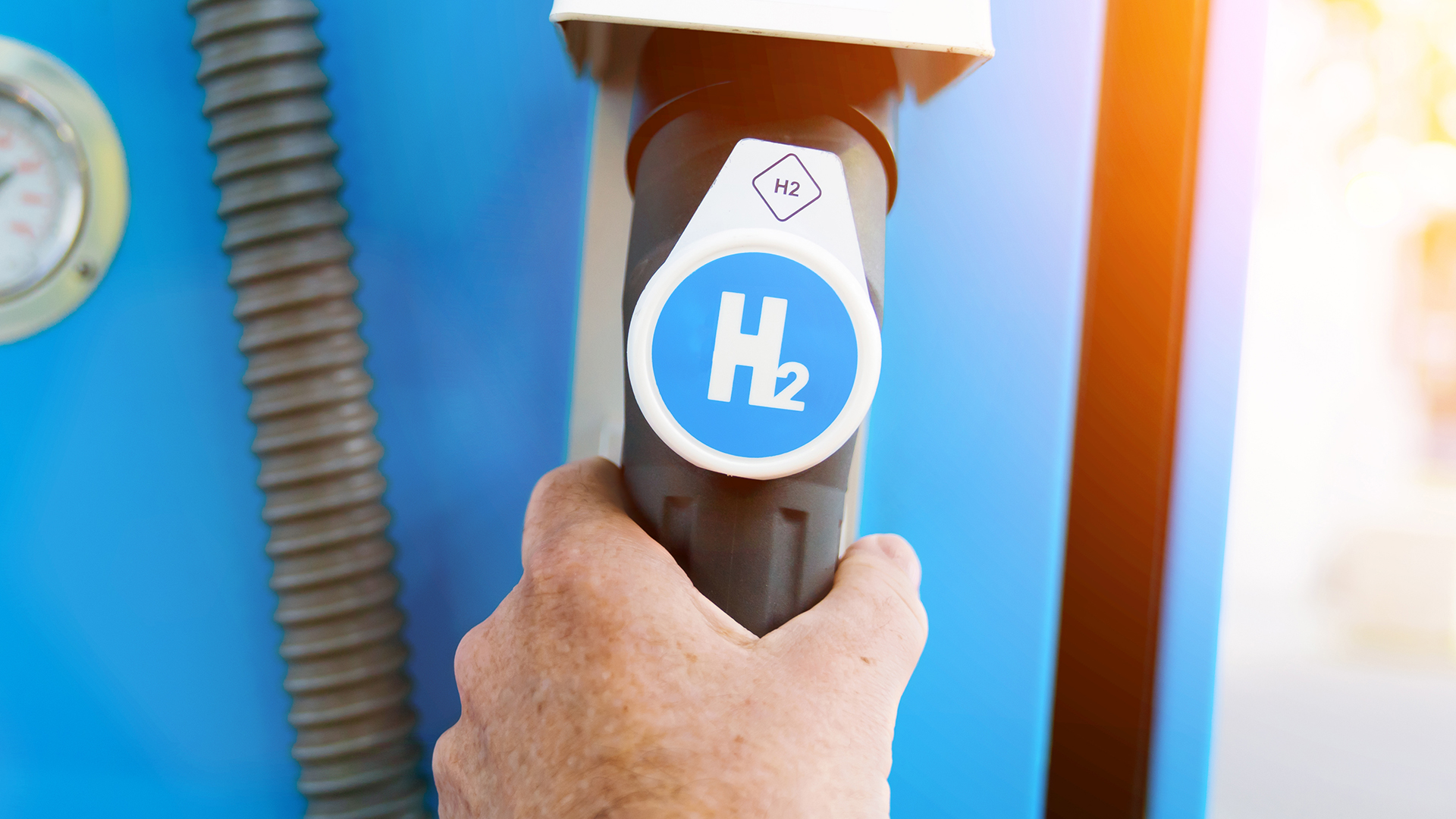
    Hydrogen cars, or fuel cell vehicles (FCVs), utilize hydrogen gas to generate electricity through fuel cells. In this process, hydrogen reacts with oxygen, producing electricity, water, and heat. The electricity then powers the vehicle’s motor. This technology emits only water vapor, positioning it as an environmentally friendly alternative to traditional internal combustion engines. However, the complexity of producing, storing, and distributing hydrogen poses significant challenges.

    FCVs stand out for their rapid refueling capabilities, typically taking under five minutes to fill a hydrogen tank — a crucial advantage for long-distance travel. They also maintain consistent performance in extreme weather conditions, where battery efficiency can diminish. With ranges often exceeding 400 miles per tank, hydrogen cars rival traditional gasoline vehicles in long-range usability.

    Despite these strengths, hydrogen cars face hurdles in production and infrastructure. Producing hydrogen through electrolysis or natural gas reforming remains energy-intensive and costly. Storage requires high-pressure tanks or cryogenic methods, adding complexity and expense. Moreover, the limited number of hydrogen refueling stations worldwide constrains widespread adoption.
    hydrogen cars

    Energy Efficiency Comparison

    EVs are notably more energy-efficient than hydrogen cars. The process of generating electricity, storing it in batteries, and using it to power the vehicle is approximately 80% efficient. In contrast, producing hydrogen (often through electrolysis), compressing or liquefying it for storage, transporting it, and converting it back to electricity in a fuel cell results in an overall efficiency of about 38%. This means FCVs consume more energy to travel the same distance as EVs.

    Additionally, the well-to-wheel efficiency — measuring total energy use from production to vehicle operation — further underscores EVs’ superiority. Renewable energy integration with EV charging enhances sustainability, whereas hydrogen production often depends on fossil fuels, diminishing its green credentials.


    Refueling Time and Driving Range

    Hydrogen cars have an advantage in refueling time, taking just minutes to fill up, similar to conventional gasoline vehicles. They also offer competitive driving ranges, with models like the 2021 Toyota Mirai achieving up to 402 miles on a single tank. EVs, while improving, still require longer charging times, especially on standard home outlets. However, advancements in fast-charging technology and increasing battery capacities are narrowing this gap.

    Ultra-fast chargers can replenish EV batteries up to 80% within 20-30 minutes, making long-distance travel increasingly viable. Wireless charging and battery swap stations represent emerging innovations that could further revolutionize EV convenience and efficiency.


    Emissions and Carbon Footprint

    Both EVs and hydrogen cars produce zero tailpipe emissions, contributing to improved air quality. However, the environmental benefits depend on how the electricity or hydrogen is produced. EVs charged from renewable energy sources like wind or solar power have a minimal carbon footprint. Conversely, if the electricity comes from fossil fuels, the benefits diminish. Similarly, most hydrogen production currently relies on natural gas, emitting CO₂ in the process. Green hydrogen, produced using renewable energy, remains limited due to high costs and technological challenges.

    Lifecycle emissions analysis also favors EVs, given their higher energy efficiency. As renewable energy adoption grows globally, EVs’ environmental performance will continue to improve.


    Resource Consumption and Sustainability

    EV batteries require minerals like lithium, cobalt, and nickel, raising concerns about mining practices, environmental degradation, and supply chain ethics. Hydrogen production, storage, and distribution also demand significant energy and infrastructure investments, impacting their overall environmental footprint.

    Innovations in battery recycling and solid-state battery development promise to mitigate environmental impacts, enhancing EV sustainability. Hydrogen production advancements, like solar-driven electrolysis and biohydrogen, aim to address current inefficiencies and resource dependencies.


    Charging and Refueling Networks

    EVs benefit from a rapidly expanding charging infrastructure, with public and private investments accelerating the deployment of charging stations globally. In contrast, hydrogen refueling stations are scarce and concentrated in specific regions, limiting the practicality of FCVs for many consumers. For example, in Australia, only five hydrogen vehicles were sold in a recent quarter compared to over 25,000 battery-electric vehicles, reflecting the disparity in infrastructure and consumer adoption.

    Smart charging solutions and vehicle-to-grid (V2G) technologies enhance EV infrastructure efficiency, enabling bidirectional energy flow and grid stability support. Hydrogen refueling station expansion, though slower, receives targeted investments in key markets like Japan, Germany, and California.


    Market Trends and Consumer Adoption

    The automotive industry has largely embraced EVs, with numerous manufacturers offering a wide range of models across various price points. Companies like Toyota, initially proponents of hydrogen technology, are now accelerating their electric car development to meet regulatory demands and consumer preferences. However, some manufacturers, such as BMW, continue to invest in hydrogen technology, planning to introduce mass-produced hydrogen cars by 2028. This indicates a belief in hydrogen’s potential, particularly for specific applications like heavy-duty transport.

    Fleet electrification and government mandates drive EV adoption, while hydrogen finds favor in commercial sectors like buses, trucks, and industrial equipment requiring longer ranges and fast refueling.


    Challenges Facing Hydrogen Fuel Cell Vehicles

    Critics argue that hydrogen cars face inherent inefficiencies and logistical challenges. The energy-intensive process of producing, storing, and transporting hydrogen reduces the overall efficiency of FCVs compared to EVs. Additionally, the lack of refueling infrastructure and the high costs associated with developing it hinder widespread adoption.

    Public perception and technological readiness remain barriers, despite hydrogen’s potential for diverse applications in transportation and energy sectors.


    Challenges Facing Electric Vehicles

    While EVs have gained significant momentum, they are not without challenges. Concerns include battery degradation over time, limited range compared to some traditional vehicles, and the environmental impact of battery production and disposal. However, ongoing research and development aim to address these issues, with advancements in battery technology and recycling processes showing promise.

    Charging network standardization and equitable access to infrastructure require ongoing efforts to ensure inclusive EV adoption worldwide.


    Future Outlook

    Both EVs and hydrogen cars are subjects of intense research and development. Advancements in battery technology, such as solid-state batteries, promise to enhance EV performance, reduce charging times, and extend driving ranges. For hydrogen cars, innovations in fuel cell efficiency and sustainable hydrogen production methods are crucial for their viability.


    Conclusion

    The debate between electric vehicles and hydrogen cars is far from settled. EVs currently lead in efficiency, infrastructure, and market adoption, making them the preferred choice for most consumers and manufacturers. Hydrogen cars, while facing significant challenges, offer potential advantages in refueling time and range, particularly for commercial and heavy-duty applications. As technology advances and infrastructure expands, both EVs and hydrogen cars will likely play essential roles in the transition to sustainable transportation.


    Curious if TikTok will be banned in 2025? Find out more by clicking here!


  • Tragedy Strikes Again: Japan Airlines Jet Collide with Delta Passenger Plane

    Tragedy Strikes Again: Japan Airlines Jet Collide with Delta Passenger Plane

    On February 5, 2025, another shocking incident struck the aviation world when a Japan Airlines jet collide with the rear of a parked Delta passenger plane at Seattle-Tacoma International Airport (SEA). This event followed exactly one week after the tragic mid-air crash over the Potomac River, which left many grieving. Although the collision between the two planes was alarming, it did not cause any injuries, and airport operations were minimally impacted.

    In this article, we will dive into the details of the Japan Airlines and Delta crash. We compare it with the horrific accident near Washington, DC, and examine the consequences for both passengers and airport operations. We will also explore the reactions of passengers, eyewitnesses, and authorities to this unsettling event.


    Seattle airport aerial view with planes; backdrop of distant mountains.


    The Incident: Japan Airlines Jet Strikes Delta Plane

    At around 10:17 AM on February 5, 2025, a Japan Airlines jet, still taxiing, crashed into the rear end of a parked Delta Air Lines passenger plane. The collision occurred on a taxi line between the S concourse and the south airport maintenance hangars at Seattle-Tacoma International Airport. Passengers filled both aircraft, and the Delta plane had already parked.

    Eyewitnesses at the concourse and maintenance hangars were understandably alarmed as they watched the collision unfold. “We were sitting on the tarmac at SeaTac when another plane ran into us, just casually slicing into our tail. Very scary,” shared one passenger on social media platform X (formerly Twitter), according to a report by Daily Mail.

    Though the crash could have been much worse, no injuries occurred, and emergency responders quickly arrived at the scene. The incident only disrupted a small portion of airport operations, and airport authorities managed the situation swiftly.


    Two planes collide at Seattle airport, tails touching on the runway, against a cloudy sky.

    Two planes collide on the runway at Seattle airport, their tails touching against a cloudy sky.


    Two planes collide at Seattle airport, showing a concerning trend in aviation safety.

    The collision of two planes at Seattle airport highlights a concerning trend in aviation safety.


    A Week After the Potomac River Crash

    Seattle airport scene with two planes near the jet bridge after collision, referencing 2025 trend concerns.

    This collision came just one week after another tragic incident, which heightened the emotional and psychological toll on the aviation community. On January 29, 2025, an American Airlines jet collided with a U.S. Army Black Hawk Helicopter over the Potomac River, tragically killing all 67 people aboard. The proximity of these two accidents left the world reeling, with many in the aviation industry already grappling with the aftermath of the Potomac River disaster.

    The proximity of these two crashes within such a short time frame has led to widespread concerns about aviation safety, airport security protocols, and the mental well-being of passengers and flight crews. The events, though separate, have made a significant impact on public perception of air travel safety.


    The Response of Authorities and Passengers

    Seattle-Tacoma International Airport officials responded swiftly to the incident. The Port of Seattle issued a statement, noting that Port of Seattle Fire, Police.SEA operations teams responded to the crash on the ramp at approximately 10:17 AM. “The incident involved a taxiing Japan Airlines aircraft that appears to have struck the tail of a parked Delta Air Lines aircraft. There are no injuries reported at this time,” the statement read.

    Both airlines, Japan Airlines and Delta, were unavailable for immediate comment, but airport authorities worked diligently to ensure that passengers were safely deplaned and returned to the terminal. The incident caused minimal disruption to operations, and the airport authorities reassured travelers to check the status of their flights before heading to the airport.


    What Happened on the Potomac River?

    To understand the gravity of the situation, we need to briefly revisit the tragic crash over the Potomac River. On January 29, 2025, an American Airlines jet collided with a U.S. Army Black Hawk Helicopter, resulting in the deaths of all 67 people on board. The event shocked not only the United States but the entire world, as the aviation community had to grapple with the scale of this horrific accident.

    Early reports suggest that both the American Airlines jet and the U.S. Army Black Hawk Helicopter were in the same airspace at the time of the collision. However, experts caution that it could take months or even longer to fully understand the root cause of the crash. In the wake of this accident, there have been calls for improved communication protocols between commercial aviation and military air traffic control systems.


    -Found this article fascinating? Check out more related shorts on YouTube for a deeper dive-


    Comparing the Two Accidents

    While both accidents are shocking, they occurred under vastly different circumstances. The crash over the Potomac River involved an American Airlines jet and a U.S. Army helicopter in mid-air, resulting in a tragic loss of life. The collision at Seattle-Tacoma Airport, while alarming, was confined to the ground and resulted in no injuries. However, both incidents highlight the potential risks involved in air travel and the need for strict safety regulations.

    The collision between the Japan Airlines and Delta planes highlights how effective airport personnel’s training and preparedness are, along with the safety features of modern aircraft, as no one suffered injuries. Emergency teams responded quickly, and the minimal impact on airport operations shows that both airlines and airport authorities acted swiftly to manage the situation.


    Lessons Learned and Moving Forward

    While the Japan Airlines and Delta incident was far less tragic than the mid-air crash over the Potomac River. It serves as a reminder of the risks involved in air travel. Both accidents highlight the importance of effective communication, rigorous safety protocols, and quick response times from all parties involved.

    The aviation industry must continue to prioritize safety, investing in technology, training, and procedures that can prevent such incidents from occurring in the future. The role of air traffic control, airline safety standards, and airport operations will be key in ensuring that passengers remain safe when they fly.


    Impact on Travelers and the Aviation Community

    For many passengers, these two incidents act as stark reminders of the inherent risks associated with air travel. Although both incidents resulted in minimal physical harm, the psychological impact. Both passengers and the general public remains profoundly significant. In a world that has become increasingly dependent on air travel. It is crucial to maintain the public’s trust in the safety and reliability of flying.

    As travelers, it is essential to stay well-informed about the status of your flights, adhere to airport guidelines. Exercise patience in case of delays. Airlines and airports are working tirelessly and making considerable efforts to ensure safety. It is crucial for passengers to continue cooperating in order to make air travel as safe and efficient as possible.

    Conclusion

    The collision between the Japan Airlines jet and Delta plane at Seattle-Tacoma Airport on February 5, 2025. Although no injuries occurred, the incident followed the tragic Potomac River crash. This highlights the risks and challenges of aviation. Both events emphasize the need for vigilance, safety improvements, and passenger well-being.

    While unsettling, these accidents showcase the aviation industry’s strength and resilience in addressing challenges. As investigations continue, the lessons learned will guide better practices and lead to safer skies in the future.


    Curious about the dramatic mid-air collision over the Potomac River and the events that unfolded

  • Is the ALL NEW 2025 Toyota 4Runner Platinum the SUV of Year

    Is the ALL NEW 2025 Toyota 4Runner Platinum the SUV of Year

    Toyota’s off-road and truck lineup is more exciting than ever, following two years packed with new releases. Now, it’s the 4Runner’s turn for a much-anticipated modernization. The 2025 4Runner, as expected, is built on the same platform as the new Tacoma pickup and comes equipped with a turbocharged four-cylinder engine producing 278 horsepower. A hybrid version delivering 326 horsepower is also available, though it’s reviewed separately.

    The iconic roll-down rear window remains intact, while the updated 4Runner boasts a bold, rugged exterior design. Inside, the SUV features modern upgrades, including optional tech like a 14.0-inch infotainment touchscreen, a 12.3-inch digital gauge display, a head-up display, and a wireless smartphone charging pad. Toyota has also packed it with advanced driver-assistance features, many of which come standard.

    Despite these updates, the 4Runner hasn’t lost its adventurous edge. It’s fully equipped with off-road capabilities designed to handle challenging trails. The 2025 4Runner is expected to hit Toyota showrooms by the end of 2024.

    2025 toyota 4runner limited

    Source: Toyota

    What’s New for 2025?

    After 15 years, the fifth-generation Toyota 4Runner makes way for an all-new sixth-generation model. Built on the 2024 Tacoma pickup platform, the 2025 4Runner introduces modern features while preserving its signature rugged design.

    Pricing and Trims

    The 2025 Toyota 4Runner starts at $42,220, with pricing reaching up to $56,850, depending on the selected trim level and optional features.


    Best Value: SR5 Trim

    The entry-level SR5 trim stands out as the most affordable option among the 2025 4Runner lineup. Unlike the pricier versions, the SR5 offers a budget-friendly way to enjoy the benefits of the latest generation’s upgrades. For those seeking added capability, four-wheel drive is available for an additional $2,000.

    Engine, Transmission, and Performance

    Every 2025 Toyota 4Runner is powered by a 278-hp turbocharged 2.4-liter four-cylinder engine paired with an eight-speed automatic transmission. Rear-wheel drive comes standard, while an optional full-time four-wheel-drive system includes a two-speed transfer case with high- and low-range gearing.

    Off-Road Capabilities

    The 4Runner is equipped with a suite of off-road features to tackle tough terrain. These include optional disconnecting stabilizer bars, a locking rear differential, and an off-road cruise control system. Hybrid models bring additional off-road enhancements, such as manually adjustable dampers.

    Driving Impressions to Come

    We have yet to test drive the new 4Runner, but once we do, we’ll provide detailed driving impressions and performance results. Stay tuned for updates!